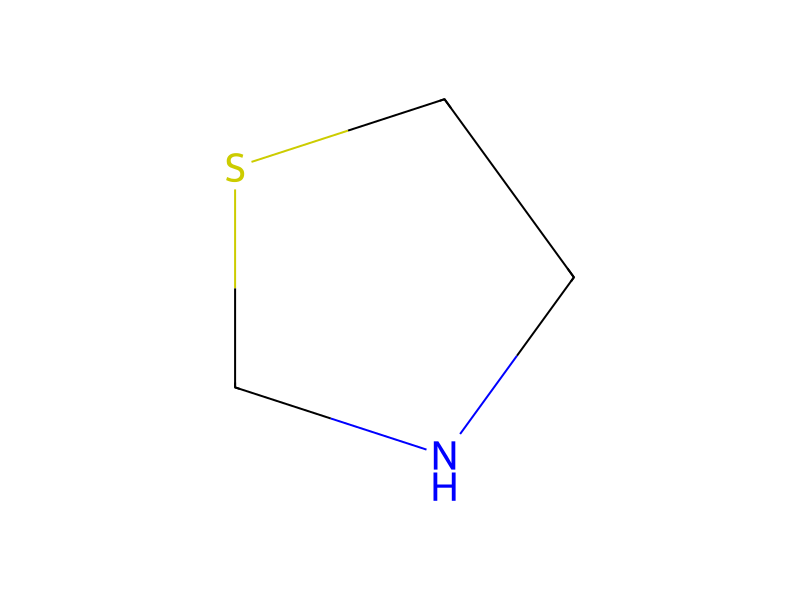
Thiazolidine → HCID 15021231, compound
Reaction equation

[CH2:1]1[C:10]2[C:5](=[CH:6][CH:7]=[CH:8][CH:9]=2)[CH2:4][CH2:3][CH:2]1[C:11]([N:13]1[CH2:20][CH2:19][CH2:18][C@H:14]1[C:15](O)=[O:16])=[O:12].[NH:21]1[CH2:25][CH2:24][CH2:23][CH2:22]1.C1(CC(C2SCN[C@@H]2C(O)=O)=O)C2C(=CC=CC=2)CC1.S1CCNC1>>[CH2:1]1[C:10]2[C:5](=[CH:6][CH:7]=[CH:8][CH:9]=2)[CH2:4][CH2:3][CH:2]1[C:11]([N:13]1[CH2:20][CH2:19][CH2:18][C@H:14]1[C:15]([N:21]1[CH2:25][CH2:24][CH2:23][CH2:22]1)=[O:16])=[O:12]Participants
5



Procedure
A colorless oil of 1-[1-(1,2,3,4-tetrahydronaphthalene-2-ylcarbonyl)-L-prolyl]pyrrolidine was prepared in the same manner as in Example 1, except that 1-(1,2,3,4-tetrahydronaphthalen-2ylcarbonyl)-L-proline and pyrrolidine were used instead of 3-(2-indanylacetyl)-L-thioproline and thiazolidine, respectively (yield: 52%).
Sources & evidence
- ORD record
- ord-7c46df00ff854014b3023e100f3d04a5
- Source dataset
- uspto-grants-1991_07
- Patent number
- US05028604
Reaction notes
Loading…