Calcium Carbonate → zilascorb
Reaction equation

[CH2:1]1[O:5][CH:4]([C:6]2[CH:11]=[CH:10][CH:9]=[CH:8][CH:7]=2)[O:3][C@@H:2]1[C@H:12]1[O:17][C:15](=[O:16])[C:14]([OH:18])=[C:13]1[OH:19].C(=O)([O-])[O-].[Ca+2:24].O=C1O[C@H]([C@H](CO)O)C(O)=C1O>O>[Ca:24].[CH2:1]1[O:5][CH:4]([C:6]2[CH:7]=[CH:8][CH:9]=[CH:10][CH:11]=2)[O:3][C@@H:2]1[C@H:12]1[O:17][C:15](=[O:16])[C:14]([OH:18])=[C:13]1[OH:19]Participants
6
Reactant 3
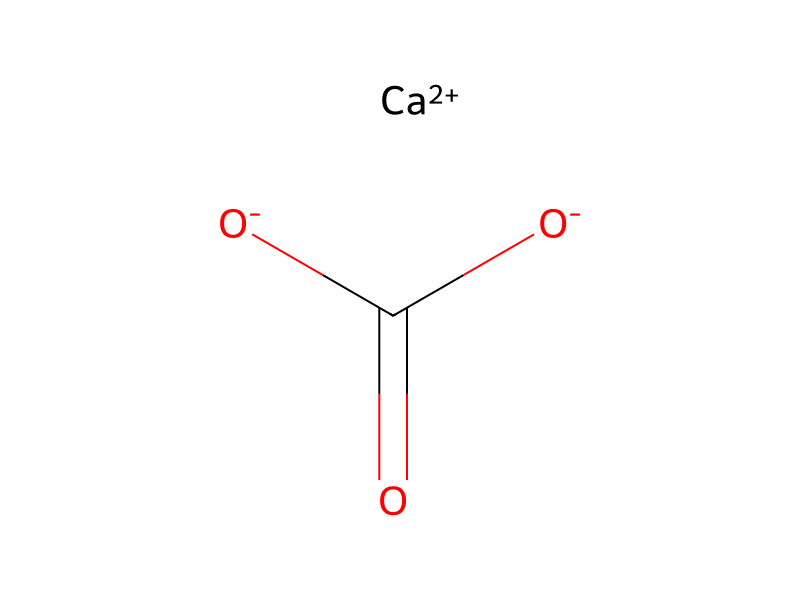
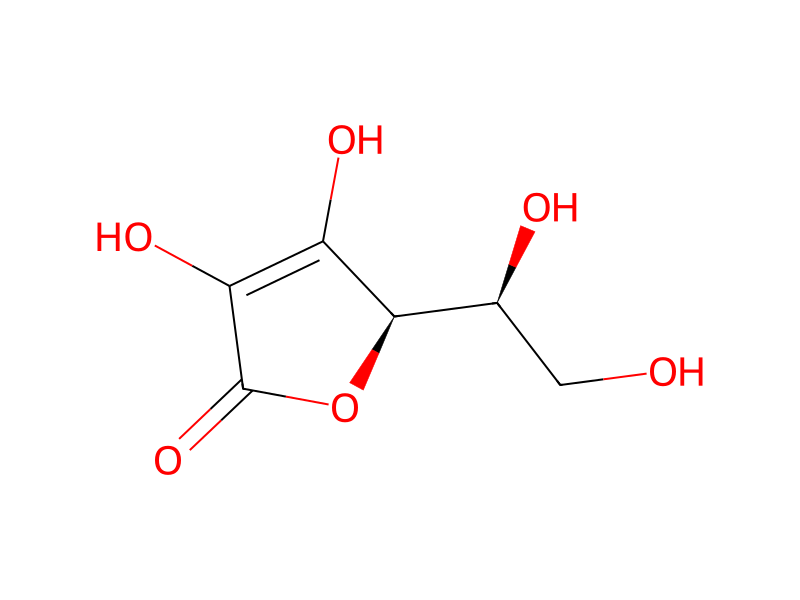

Product 2

Reagents, catalysts & solvents 1

Procedure
5,6-O-Benzylidene-L-ascorbic acid (13.2 g) was suspended in water (300 ml), to which was then added calcium carbonate (5 g), whereby the ascorbic acid was dissolved in water. The resulting aqueous solution was freeze-dried to give a calcium salt of 5,6-O-benzylidene-L-ascorbic acid (yield 13 g). This product was a white powdery substance which was readily soluble in water and decomposed near 200° C.
Workup
- customThe resulting aqueous solution was freeze-dried
Sources & evidence
- ORD record
- ord-78d241d3604c4f41835c6aec1ab02437
- Source dataset
- uspto-grants-1991_07
- Patent number
- US05036103
Reaction notes
Loading…