Copper → Sulfuric Acid
Reaction equation
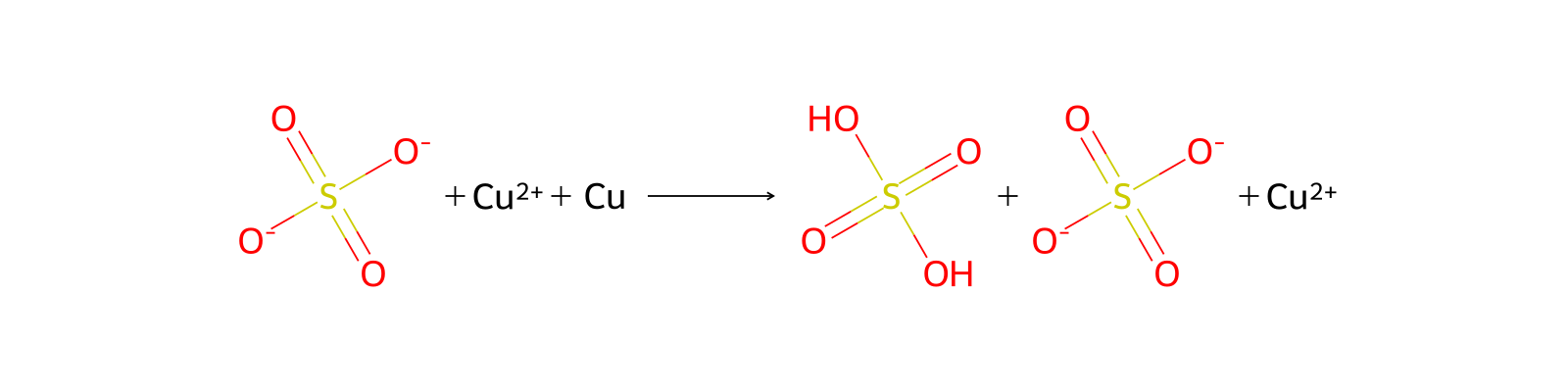
[S:1]([O-:5])([O-:4])(=[O:3])=[O:2].[Cu+2:6].[Cu]>>[S:1](=[O:3])(=[O:2])([OH:5])[OH:4].[S:1]([O-:5])([O-:4])(=[O:3])=[O:2].[Cu+2:6]Participants


Procedure
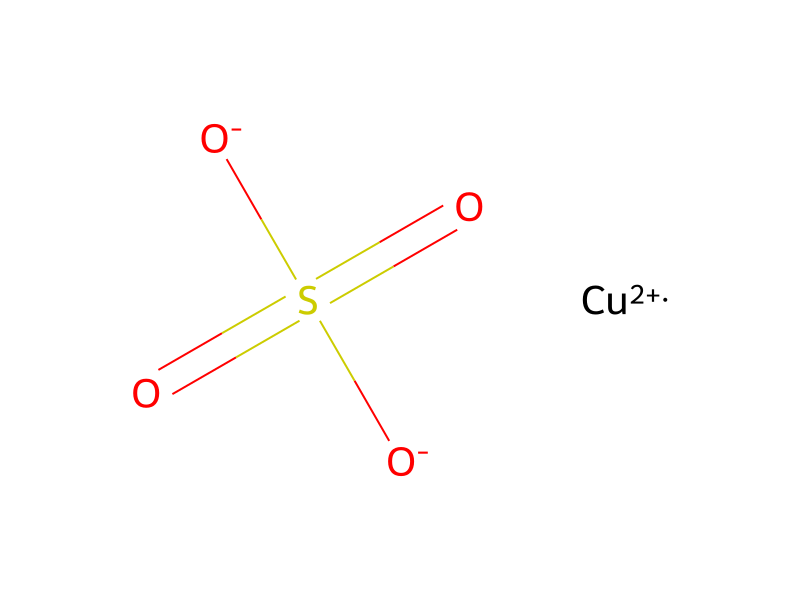
Optionally, the copper sulfate solution used in addition 13 is obtained by subjecting a copper-containing material, such as an ore, concentrate, speiss, matte, slag or the like that contains copper, to an aqueous oxidative acid pressure leach 18 with sulfuric acid to produce a copper sulfate-containing leach solution, as indicated with broken lines. In acid leach 18, copper-containing material is slurried with sulfuric acid and the slurry is subjected to acid leach 18 in an autoclave and in the presence of an oxygen-bearing gas at elevated temperature and pressure. The leach 18 is carried out batch-wise or continuously at temperatures in the range of about 100° to 180° C. and under a partial pressure of oxygen in the range of about 0.7 to 2.0 MPa for the formation of a copper sulfate solution and a leach residue. The amount of sulfuric acid should be sufficient to yield a copper sulfate solution containing 100 to 200 g/L copper as copper sulfate. The reaction mixture is discharged by flashing, and is then subjected to liquid-solids separation 19 for removal of the leach residue from the copper sulfate solution which is passed to addition 13. Any excess copper sulfate solution may be treated for the recovery of copper sulfate.
Workup
- customis obtained
- additioncontaining material
- concentrationsuch as an ore, concentrate
Sources & evidence
- ORD record
- ord-750ac05959844582a1bfb3edc066e945
- Source dataset
- uspto-grants-1990_10
- Patent number
- US04961909
Reaction notes
Loading…