Hydrogen Peroxide → diethyl 5-benzoyl-2,3-dihydro-1H-pyrrolizine-1,1-dicarboxylate
Reaction equation

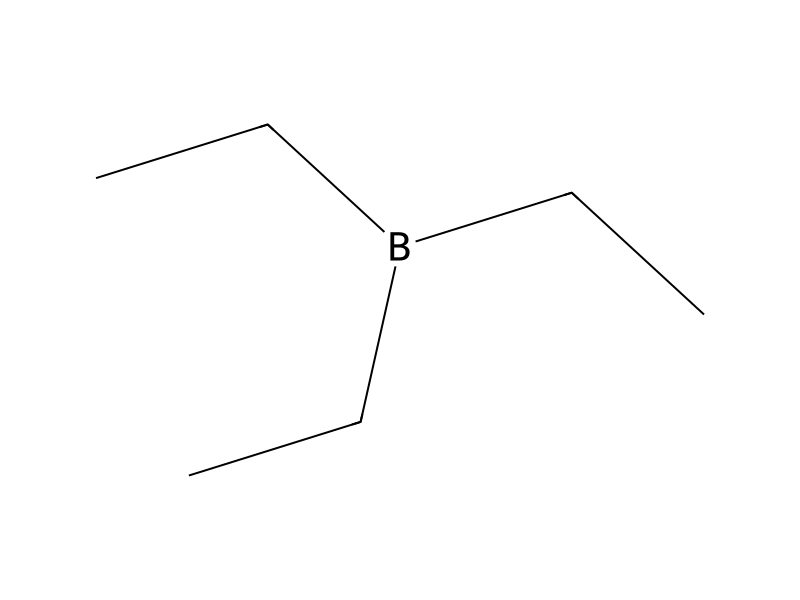
[C:1]([C:9]1[NH:10][CH:11]=[CH:12][C:13]=1[CH2:14][CH2:15][C:16](Br)([C:22]([O:24]CC)=[O:23])[C:17]([O:19][CH2:20][CH3:21])=[O:18])(=[O:8])[C:2]1[CH:7]=[CH:6][CH:5]=[CH:4][CH:3]=1.OO.C(B([CH2:35][CH3:36])CC)C.O=O>CS(C)=O.O>[C:1]([C:9]1[N:10]2[C:15](=[CH:14][CH:13]=1)[C:16]([C:22]([O:24][CH2:35][CH3:36])=[O:23])([C:17]([O:19][CH2:20][CH3:21])=[O:18])[CH2:12][CH2:11]2)(=[O:8])[C:2]1[CH:3]=[CH:4][CH:5]=[CH:6][CH:7]=1Participants






Procedure
To a mixture of a compound of formula VII, preferably 2-benzoyl-[3-bromo-3,3-di(ethoxycarbonyl)propyl]pyrrole, in a suitable solvent, is added an alkyl radical. A preferred alkyl radical, the methyl radical, is derived from the reaction of ferrous sulfate and hydrogen peroxide in dimethyl sulfoxide. In an alternative preferred embodiment, the alkyl radical is derived from a trialkylborane, preferably triethylborane, with oxygen (air) in a nonpolar solvent. The reaction mixture is allowed to stir until the reaction is complete. The reaction mixture is poured into water and extracted with a polar solvent, such as methylene chloride or diethyl ether. The combined organic extracts are washed, dried and concentrated under reduced pressure to yield a compound of formula I, preferably diethyl 5-benzoyl-2,3-dihydro-1H-pyrrolizine-1,1-dicarboxylate, which may be isolated by conventional means.
Workup
- extractionextracted with a polar solvent, such as methylene chloride or diethyl ether
- washThe combined organic extracts are washed
- customdried
- concentrationconcentrated under reduced pressure
Sources & evidence
- ORD record
- ord-53801a86ed494a67b287fa3fe03ae834
- Source dataset
- uspto-grants-1992_01
- Patent number
- US05082951
Reaction notes
Loading…