Hydrochloric Acid → HCID 13787428, compound
Reaction equation

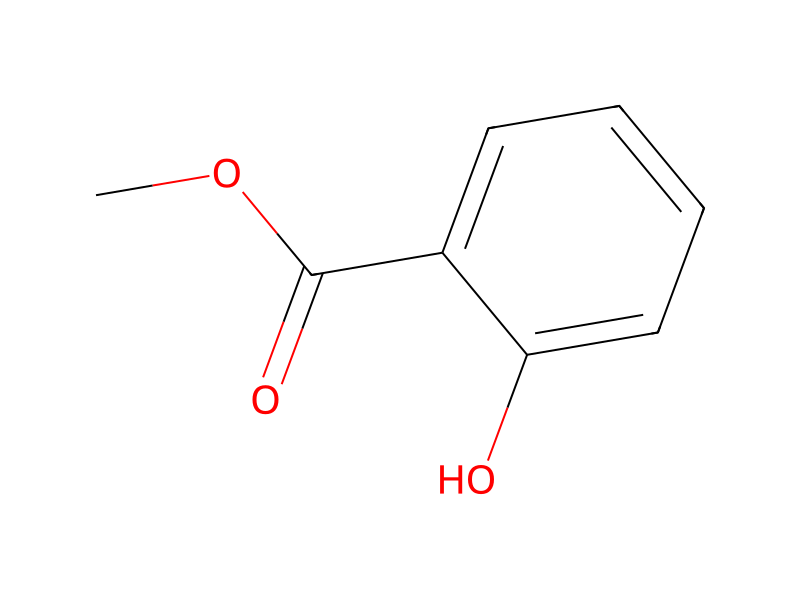
C([Al](CC(C)C)CC(C)C)C(C)C.[NH2:14][C:15]1[CH:23]=[CH:22][CH:21]=[C:20]2[C:16]=1[CH:17]=[CH:18][NH:19]2.[C:24](OC)(=[O:32])[C:25]1[C:26](=[CH:28][CH:29]=[CH:30][CH:31]=1)[OH:27].Cl>C1(C)C=CC=CC=1.C(Cl)(Cl)Cl.C(Cl)Cl>[OH:27][C:26]1[CH:28]=[CH:29][CH:30]=[CH:31][C:25]=1[C:24]([NH:14][C:15]1[CH:23]=[CH:22][CH:21]=[C:20]2[C:16]=1[CH:17]=[CH:18][NH:19]2)=[O:32]Participants
8






Procedure
92 ml of a solution of 1.1 mol/l of triisobutylaluminum in toluene were added slowly with stirring under an inert atmosphere to a solution of 6.6 g of 4-aminoindole in 250 ml of chloroform. 9.6 ml of methyl salicylate were then added and the mixture was refluxed for 20 hours and then cooled to room temperature. 300 ml of N hydrochloric acid and 300 ml of methylene chloride were added and the organic phase was washed with water, dried, and evaporated to dryness under reduced pressure at 50° C. The residue was made into a paste with ether, filtered and dried at 60° C. under reduced pressure to obtain 9.4 g of 2-hydroxy-N-(1H-indol-4-yl)benzamide melting at ≃232° C.
Workup
- temperaturethe mixture was refluxed for 20 hours
- washthe organic phase was washed with water
- customdried
- customevaporated to dryness under reduced pressure at 50° C
- filtrationfiltered
- customdried at 60° C. under reduced pressure
Sources & evidence
- ORD record
- ord-15636254b0e34125a2dfe03ef45133b2
- Source dataset
- uspto-grants-1992_01
- Patent number
- US05084455
Reaction notes
Loading…