n-Heptyl isocyanate → 1-(6-Bromopyrid-2-yl)-1-methyl-3-heptylurea
Reaction equation

[CH3:1][NH:2][C:3]1[N:8]=[C:7]([Br:9])[CH:6]=[CH:5][CH:4]=1.[CH2:10]([N:17]=[C:18]=[O:19])[CH2:11][CH2:12][CH2:13][CH2:14][CH2:15][CH3:16]>>[Br:9][C:7]1[N:8]=[C:3]([N:2]([CH3:1])[C:18]([NH:17][CH2:10][CH2:11][CH2:12][CH2:13][CH2:14][CH2:15][CH3:16])=[O:19])[CH:4]=[CH:5][CH:6]=1Participants
3
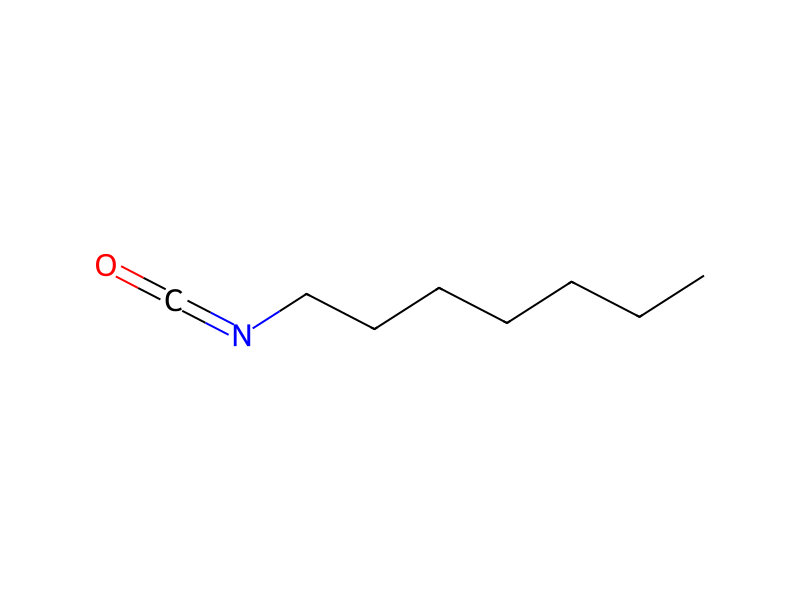


Conditions
- Temperature
- 100 °C
Procedure
2 g of 6-methylamino-2-brompyridine (prepared according to the procedure of Example 11, step a) are mixed with 3.0 mL of heptyl isocyanate. The mixture is heated for 12 hours at 100° C. The residue is chromatographed on silica gel (9/1 heptane/ethyl acetate). 2.45 g of 1-(6-bromopyrid-2-yl)-1-methyl-3-heptylurea are obtained. Yield=71%.
Workup
- customThe residue is chromatographed on silica gel (9/1 heptane/ethyl acetate)
Sources & evidence
- ORD record
- ord-34733b0d056e4caf96bbb6237126c44e
- Source dataset
- uspto-grants-2012_03
- Patent number
- US08129416B2
Reaction notes
Loading…