Lithium Hydroxide → 6-Methyl-3-(1H-pyrazol-1-yl)picolinic acid
Reaction equation

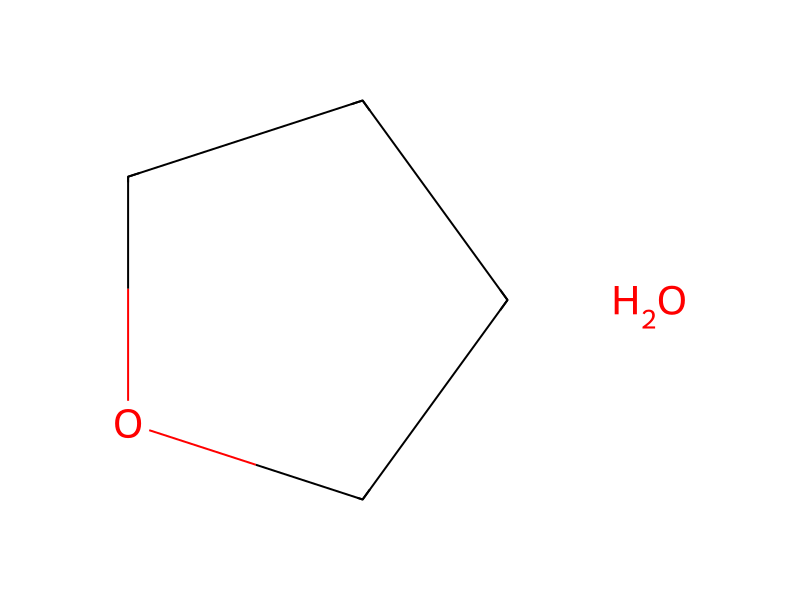
[CH3:1][C:2]1[N:7]=[C:6]([C:8]([O:10]C)=[O:9])[C:5]([N:12]2[CH:16]=[CH:15][CH:14]=[N:13]2)=[CH:4][CH:3]=1.[Li+].[OH-]>C1COCC1.O>[CH3:1][C:2]1[N:7]=[C:6]([C:8]([OH:10])=[O:9])[C:5]([N:12]2[CH:16]=[CH:15][CH:14]=[N:13]2)=[CH:4][CH:3]=1Participants
4
Reactant 2


Product 1

Reagents, catalysts & solvents 1
Procedure
A solution of methyl 6-methyl-3-(1H-pyrazol-1-yl)-2-pyridinecarboxylate D37 (106 mg) and LiOH (17.53 mg, 0.732 mmol) in THF/water (2:1, 6 ml) was stirred overnight. The mixture was evaporated under reduced pressure; the residue was taken up in water (2 ml) and the pH was adjusted to pH=2 with 1 M HCl solution. The mixture was loaded onto a pre-conditioned C18 column (5 g, eluted with water and then MeOH). The methanol fractions were evaporated under reduced pressure to give the title compound D38 (98 mg) as a white solid.
Workup
- customThe mixture was evaporated under reduced pressure
- washeluted with water
- customThe methanol fractions were evaporated under reduced pressure
Sources & evidence
- ORD record
- ord-d302704bd8c24bb4bf24020666b9954d
- Source dataset
- uspto-grants-2012_03
- Patent number
- US08133908B2
Reaction notes
Loading…