2,5-Difluorobenzaldehyde → HCID 66641316, compound
Reaction equation

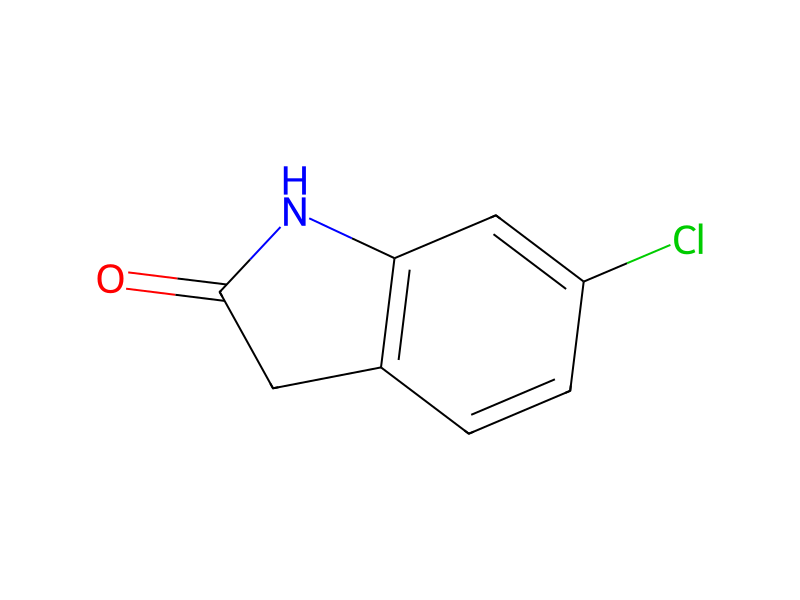
[Cl:1][C:2]1[CH:10]=[C:9]2[C:5]([CH2:6][C:7](=[O:11])[NH:8]2)=[CH:4][CH:3]=1.[F:12][C:13]1[CH:20]=[CH:19][C:18]([F:21])=[CH:17][C:14]=1[CH:15]=O>>[Cl:1][C:2]1[CH:10]=[C:9]2[C:5]([C:6](=[CH:15][C:14]3[CH:17]=[C:18]([F:21])[CH:19]=[CH:20][C:13]=3[F:12])[C:7](=[O:11])[NH:8]2)=[CH:4][CH:3]=1Participants
3


Procedure
In a manner similar to the methods described in Examplea 1a and 1b, 6-chloro-1,3-dihydro-indol-2-one (Aldrich) reacted with 2,5-difluoro-benzaldehyde to give 6-chloro-3-[1-(2,5-difluoro-phenyl)-methylidene]-2-oxo-2,3-dihydro-indole, which was subsequently reacted with (t-BuOCO)2O and DMAP.
Sources & evidence
- ORD record
- ord-3395904cb9ed4f11b1393df99c5aa840
- Source dataset
- uspto-grants-2012_03
- Patent number
- US08134001B2
Reaction notes
Loading…