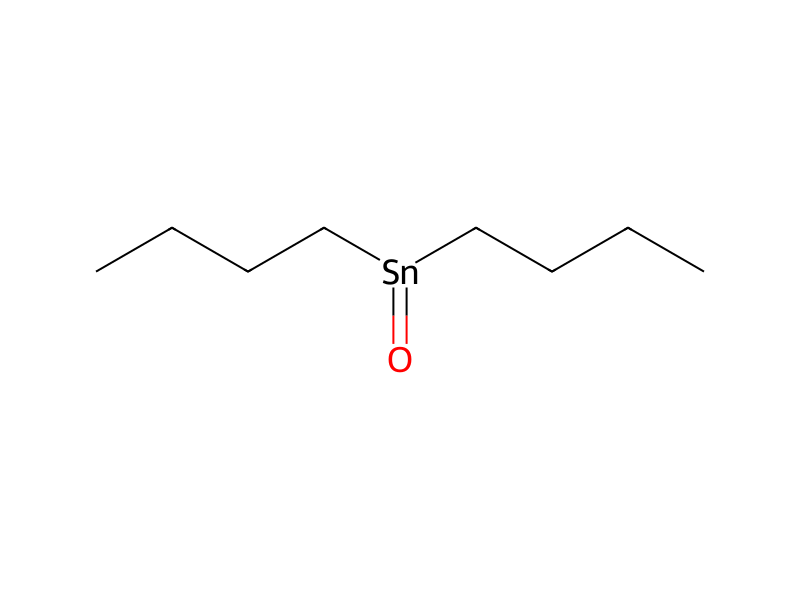
Dibutyltin oxide → HCID 178419979, compound
Reaction equation

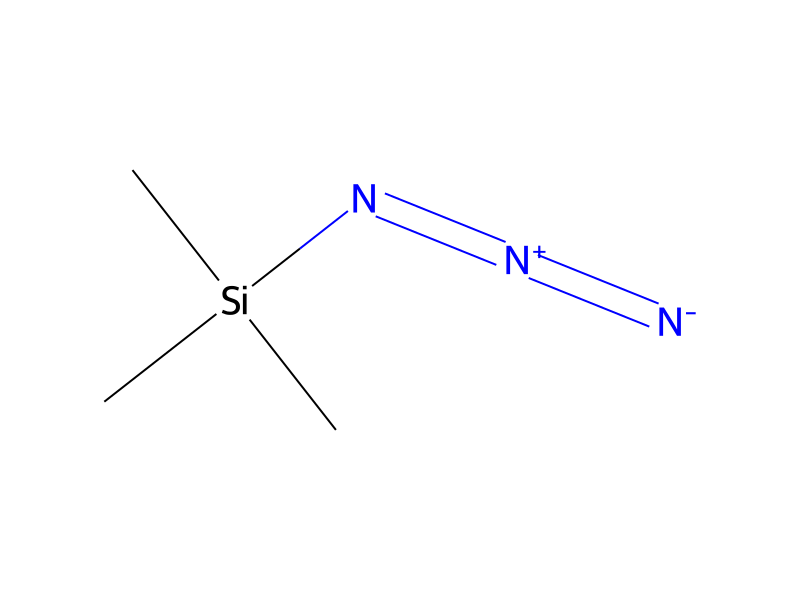
[CH:1]1[N:2]=[CH:3][N:4]2[CH:9]([C:10]3[CH:17]=[CH:16][C:13]([C:14]#[N:15])=[CH:12][CH:11]=3)[CH2:8][O:7][CH2:6][C:5]=12.C([Sn](=O)CCCC)CCC.C[Si]([N:32]=[N+:33]=[N-:34])(C)C>C1(C)C=CC=CC=1>[NH:32]1[C:14]([C:13]2[CH:16]=[CH:17][C:10]([CH:9]3[CH2:8][O:7][CH2:6][C:5]4=[CH:1][N:2]=[CH:3][N:4]34)=[CH:11][CH:12]=2)=[N:15][N:34]=[N:33]1Participants
5
Reactant 3

Product 1

Reagents, catalysts & solvents 1

Conditions
- Temperature
- 125 °C
Procedure
A solution of 0.17 mmol of 4-(5,6-dihydro-8H-imidazo[5,1-c][1,4]oxazin-5-yl)benzonitrile (Example 1) and 0.017 mmol of dibutyltin oxide in 4.0 ml of toluene is mixed with 3.34 mmol of trimethylsilyl azide. The reaction mixture is heated at 125° C. overnight. It is cooled to room temperature and evaporated. The title compound is identified from the residue on the basis of the Rf by flash chromatography (SiO2 60 F).
Workup
- temperatureIt is cooled to room temperature
- customevaporated
Sources & evidence
- ORD record
- ord-fa168deba71b4a72bcbb82bcda3bd62f
- Source dataset
- uspto-grants-2012_03
- Patent number
- US08138176B2
Reaction notes
Loading…