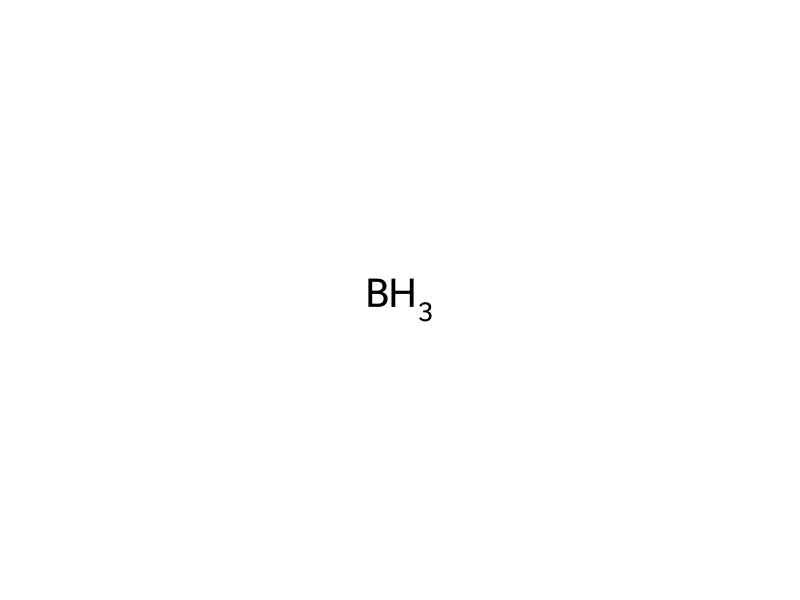
Borane → HCID 86635799, compound
Reaction equation

[NH2:1][C:2]1[S:3][C:4]2[C:9]([NH:10][C@H:11]([CH3:15])[C:12]([NH2:14])=O)=[N:8][C:7]([S:16][CH2:17][C:18]3[CH:23]=[CH:22][CH:21]=[C:20]([F:24])[C:19]=3[F:25])=[N:6][C:5]=2[N:26]=1.B>O1CCCC1>[NH2:14][CH2:12][C@H:11]([NH:10][C:9]1[C:4]2[S:3][C:2]([NH2:1])=[N:26][C:5]=2[N:6]=[C:7]([S:16][CH2:17][C:18]2[CH:23]=[CH:22][CH:21]=[C:20]([F:24])[C:19]=2[F:25])[N:8]=1)[CH3:15]Participants
4
Reactant 2

Product 1

Reagents, catalysts & solvents 1

Procedure
To a solution of the product from example 12 step a) (0.3 g) in dry tetrahydrofuran (10 ml) was added 2M borane in THF (10 ml) and the mixture heated under reflux for 6 hours. Quenched while hot with methanol (30 ml), evaporated to dryness and the residue taken up into methanol (30 ml) containing a few drops of concentrated hydrochloric acid. The mixture was then heated under reflux for a further 1 hour, evaporated to dryness to give a pale yellow solid.
Workup
- temperaturethe mixture heated
- temperatureunder reflux for 6 hours
- customQuenched while hot with methanol (30 ml)
- customevaporated to dryness
- additioncontaining a few drops of concentrated hydrochloric acid
- temperatureThe mixture was then heated
- temperatureunder reflux for a further 1 hour
- customevaporated to dryness
- customto give a pale yellow solid
Sources & evidence
- ORD record
- ord-0e81df4e0a7848c3a9a0699283587777
- Source dataset
- uspto-grants-2012_03
- Patent number
- US08143261B2
Reaction notes
Loading…