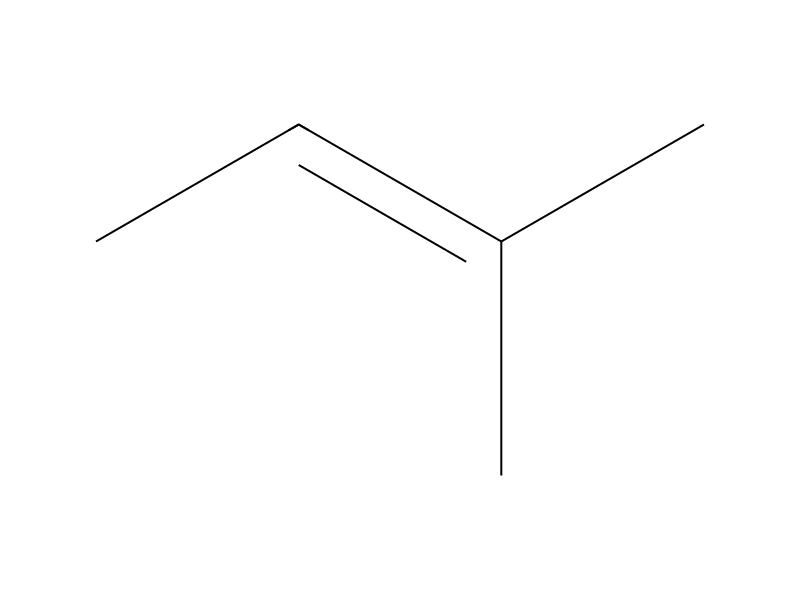
2-Methyl-2-butene → HCID 23089706, compound
Reaction equation

[CH2:1]([C:3]1[CH:17]=[CH:16][C:6]([O:7][C:8]2[CH:15]=[CH:14][C:11]([CH:12]=[O:13])=[CH:10][CH:9]=2)=[CH:5][CH:4]=1)[CH3:2].CC(=CC)C.O.O.P([O-])(O)(O)=[O:26].[Na+].Cl([O-])=O.[Na+]>O.C(O)(C)(C)C>[CH2:1]([C:3]1[CH:17]=[CH:16][C:6]([O:7][C:8]2[CH:15]=[CH:14][C:11]([C:12]([OH:26])=[O:13])=[CH:10][CH:9]=2)=[CH:5][CH:4]=1)[CH3:2]Participants




Procedure
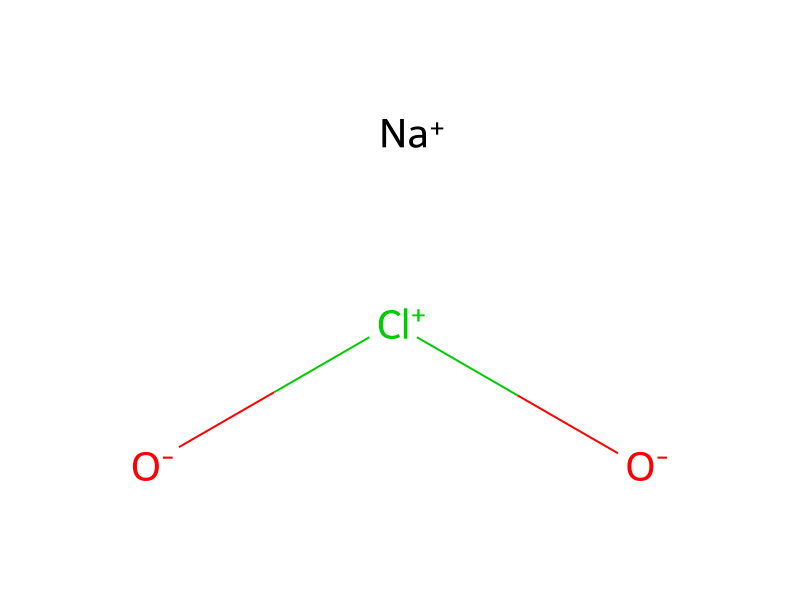
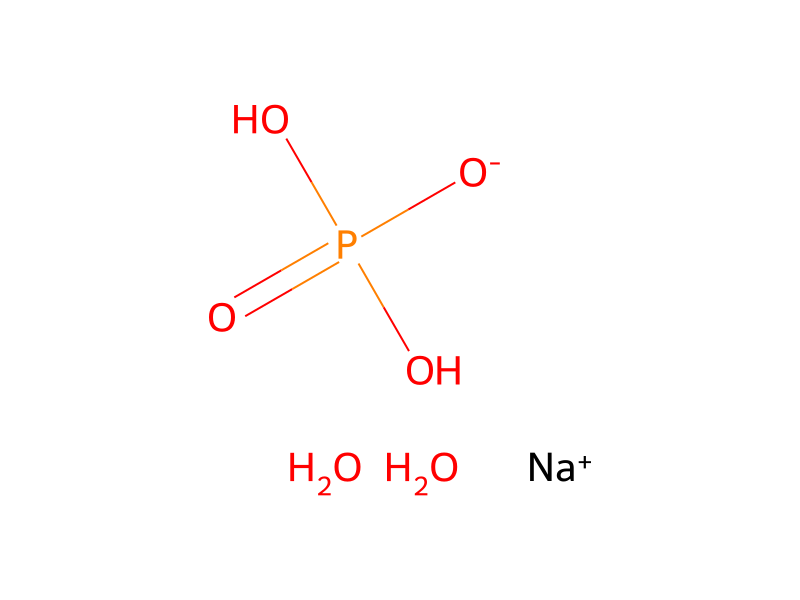
An oxidation reaction (which is the method disclosed in Tetrahedron, (1987), 43, 4767-4776) was conducted using 4-(4-ethylphenoxy)benzaldehyde (which is the compound disclosed in J. Med. Chem., (1996), 39, 3984-3997, 500 mg, 2.21 mmol). 2-Methyl-2-butene (940 μL, 8.84 mmol), sodium dihydrogen phosphate dihydrate (338 mg, 2.16 mmol), and sodium chlorite (80%, 875 mg, 7.74 mmol) were added to a mixture solution of tert-butanol (3.6 mL) and water (1.0 mL) containing 4-(4-ethylphenoxy)benzaldehyde. The resulting mixture was stirred at room temperature, and the reaction was terminated with 1 N hydrochloric acid. After the extraction with ethyl acetate, the organic layer was washed with saturated brine and dried over anhydrous sodium sulfate. The solvent was evaporated to give 622 mg of 4-(4-ethylphenoxy)benzoic acid (white powder, yield: quantitative). Then, the same reaction as in Example 9 (9b) was conducted using all this 4-(4-ethylphenoxy)benzoic acid to give 437 mg of the title compound (pale red powder, yield: 66%).
Workup
- customAn oxidation reaction (which
- customthe reaction was terminated with 1 N hydrochloric acid
- extractionAfter the extraction with ethyl acetate
- washthe organic layer was washed with saturated brine
- dry with materialdried over anhydrous sodium sulfate
- customThe solvent was evaporated
Sources & evidence
- ORD record
- ord-a512ac6a0cc14500a05a275aedfb5612
- Source dataset
- uspto-grants-2012_03
- Patent number
- US08143446B2
Reaction notes
Loading…