Borane → Ethyl 4-(11-bromoundecylamino)benzoate
Reaction equation

[Br:1][CH2:2][CH2:3][CH2:4][CH2:5][CH2:6][CH2:7][CH2:8][CH2:9][CH2:10][CH2:11][C:12]([NH:14][C:15]1[CH:25]=[CH:24][C:18]([C:19]([O:21][CH2:22][CH3:23])=[O:20])=[CH:17][CH:16]=1)=O.B>O1CCCC1>[Br:1][CH2:2][CH2:3][CH2:4][CH2:5][CH2:6][CH2:7][CH2:8][CH2:9][CH2:10][CH2:11][CH2:12][NH:14][C:15]1[CH:16]=[CH:17][C:18]([C:19]([O:21][CH2:22][CH3:23])=[O:20])=[CH:24][CH:25]=1Participants
4
Reactant 2
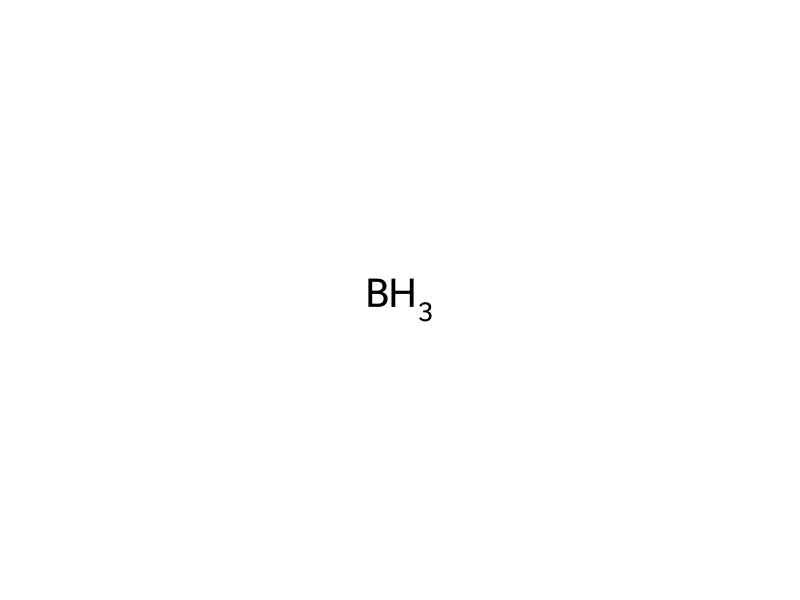

Product 1

Reagents, catalysts & solvents 1

Procedure
A solution of 5 g. of ethyl 4-(11-bromoundecanamido)benzoate in 50 ml. of tetrahydrofuran is slowly added with stirring to 13 ml. of 1 M borane in tetrahydrofuran. The solution is poured into 50 ml. of dilute hydrochloric acid and the resulting mixture is filtered. The solid is crystallized from acetonitrile to yield ethyl 4-(11-bromoundecylamino)benzoate as a white, crystalline solid.
Workup
- additionThe solution is poured into 50 ml
- filtrationof dilute hydrochloric acid and the resulting mixture is filtered
- customThe solid is crystallized from acetonitrile
Sources & evidence
- ORD record
- ord-7817401987bf42b89da678ccfcfcd9f9
- Source dataset
- uspto-grants-1982_01
- Patent number
- US04311846
Reaction notes
Loading…