Oxalic Acid → 6-Bromo-1,4,7,8,9,10-hexahydro-9-(2-phenylethyl)pyrido[3,4-f]quinoxaline-2,3-dione
Reaction equation

[Br:1][C:2]1[CH:11]=[C:10]([NH2:12])[C:9]([NH2:13])=[C:8]2[C:3]=1[CH2:4][CH2:5][N:6]([CH2:14][CH2:15][C:16]1[CH:21]=[CH:20][CH:19]=[CH:18][CH:17]=1)[CH2:7]2.[C:22](O)(=[O:26])[C:23](O)=[O:24]>Cl>[Br:1][C:2]1[C:3]2[CH2:4][CH2:5][N:6]([CH2:14][CH2:15][C:16]3[CH:21]=[CH:20][CH:19]=[CH:18][CH:17]=3)[CH2:7][C:8]=2[C:9]2[NH:13][C:22](=[O:26])[C:23](=[O:24])[NH:12][C:10]=2[CH:11]=1Participants
4
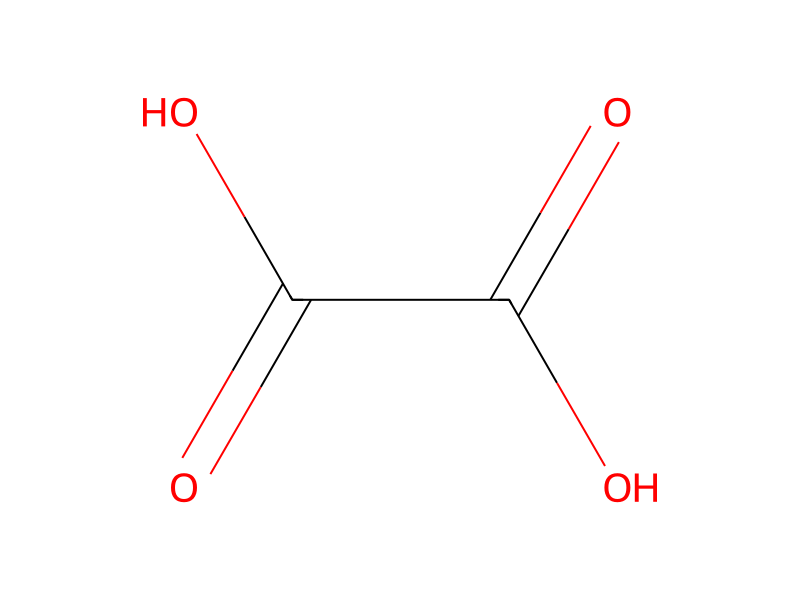



Procedure
A solution of the product from Example 10 (0.54 g, 1.56 mmol) in 3N HCl (20 mL) was treated with oxalic acid (0.3 b, 2.34 mmol) and refluxed for four hours. When cool to room temperature the precipitate was filtered, suspended in water (70 mL) and basifyed to pH 10. The solids were filtered, and dried to give the title compound (0.37 g, 60%) as a brown solid, mp=290-295° C.
Workup
- temperaturerefluxed for four hours
- filtrationwas filtered
- filtrationThe solids were filtered
- customdried
Sources & evidence
- ORD record
- ord-6ad616b6f4a04ab998f848d8ca74b719
- Source dataset
- uspto-grants-2000_05
- Patent number
- US06057313
Reaction notes
Loading…