Sodium Carbonate → 2-Bromo-6-phenylpyridine
Reaction equation

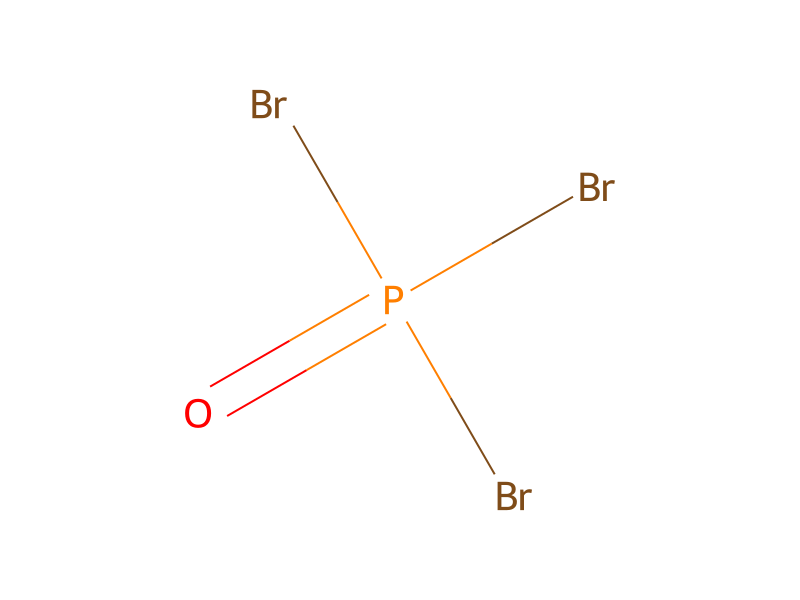
[C:1]1([C:7]2[NH:12][C:11](=O)[CH:10]=[CH:9][CH:8]=2)[CH:6]=[CH:5][CH:4]=[CH:3][CH:2]=1.P(Br)(Br)([Br:16])=O.C(=O)([O-])[O-].[Na+].[Na+]>O>[Br:16][C:11]1[CH:10]=[CH:9][CH:8]=[C:7]([C:1]2[CH:6]=[CH:5][CH:4]=[CH:3][CH:2]=2)[N:12]=1Participants
5
Reactant 3


Product 1

Reagents, catalysts & solvents 1

Conditions
- Temperature
- 100 °C
Procedure
A mixture of 6-phenyl pyridone (3 g, 17.5 mmol; prepared according to Example 6) and phosphoryl bromide (7.2 g, 25.0 mmol) is heated to 100° C. for 5 h. The cooled mixture is poured into water (40 ml) and the pH is adjusted to 9 by addition of saturated aqueous sodium carbonate. Then the layers are separated and the aqueous layer is extracted with ethyl acetate (50 ml). The combined organic layers are dried with anhydrous magnesium sulphate and the solvent is evaporated in vacuo. The crude product is crystallized from aqueous ethanol. Subsequent purification by flash chromatography (silica gel, hexane/ethyl acetate 9/1 v/v) gives 2-bromo-6-phenyl pyridine (3.1 g, 76% of th.) as light brown crystals with mp 50° C.
Workup
- customThen the layers are separated
- extractionthe aqueous layer is extracted with ethyl acetate (50 ml)
- dry with materialThe combined organic layers are dried with anhydrous magnesium sulphate
- customthe solvent is evaporated in vacuo
- customThe crude product is crystallized from aqueous ethanol
- customSubsequent purification by flash chromatography (silica gel, hexane/ethyl acetate 9/1 v/v)
Sources & evidence
- ORD record
- ord-2eafb7cfbb6e4962ab25104b8f9b0f10
- Source dataset
- uspto-grants-2000_05
- Patent number
- US06066597
Reaction notes
Loading…