Nitrogen → 6966-30-9
Reaction equation

C([C:3]1[CH:8]=[CH:7][CH:6]=[CH:5][C:4]=1[C:9](=[O:16])[C:10](=[N:14]O)[C:11]([OH:13])=[O:12])C.N(=C1C=CC=C[CH:20]1[C:21](CC(OCC)=O)=[O:22])O.[C:33](OC(=O)C)(=O)[CH3:34].[H][H].N#N>[Pd].C(O)(=O)C>[C:21]([NH:14][CH:10]([C:9](=[O:16])[C:4]1[CH:3]=[CH:8][CH:7]=[CH:6][CH:5]=1)[C:11]([O:13][CH2:33][CH3:34])=[O:12])(=[O:22])[CH3:20]Participants
7
Reactant 4
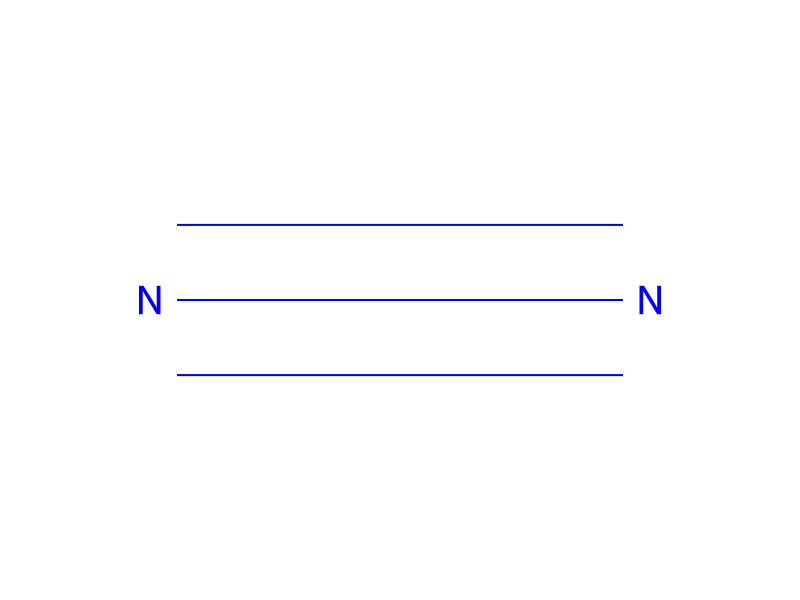



Product 1

Reagents, catalysts & solvents 2


Procedure
With stirring, a mixture of 221 g of ethyl 2-oximinobenzoylacetate (ethyl 2-oximino-3-oxo-3-phenylpropionate), 500 g of acetic anhydride, 50 g of glacial acetic acid and 20 g of a Pd/C catalyst (EF 101 R/W 51% H2O, sold by Degussa) is hydrogenated under normal pressure at 60° C. over 4 hours. The hydrogen uptake is 40 l. Afterwards the reactor is made inert with N2, flushed with nitrogen and the catalyst is removed by filtration. The filtrate is subsequently concentrated under reduced pressure on a rotary evaporator to give a residue (259.3 g), which is recrystallised from 200 ml of isopropanol/500 ml of petroleum ether.
Workup
- customflushed with nitrogen
- customthe catalyst is removed by filtration
- concentrationThe filtrate is subsequently concentrated under reduced pressure on a rotary evaporator
Sources & evidence
- ORD record
- ord-e892b295ae4e4c9cb1ea0185f90691bf
- Source dataset
- uspto-grants-1994_06
- Patent number
- US05322964
Reaction notes
Loading…