2-ethylhexanoic acid tin(II) salt → HCID 131718519, compound
Reaction equation

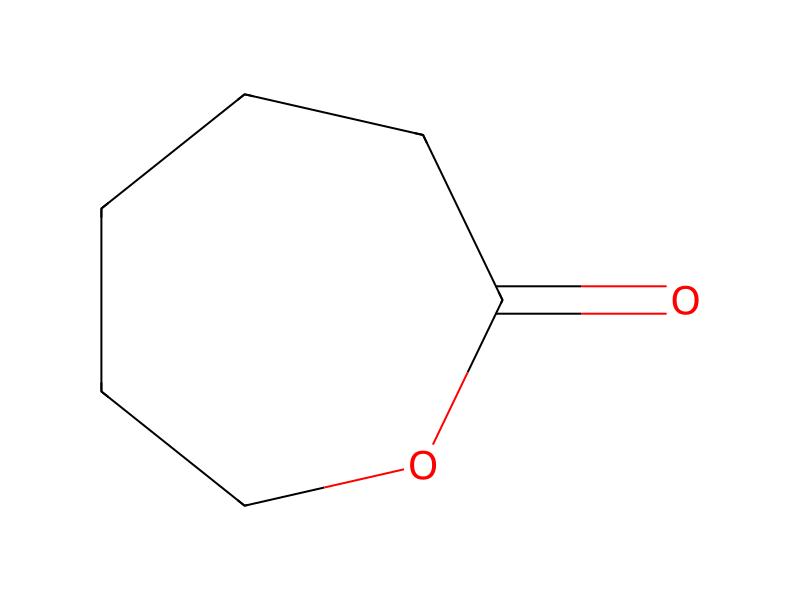
[C:1]1(=[O:8])[O:7]CCCC[CH2:2]1.CCCC[CH:13]([C:16]([O-:18])=[O:17])CC.[CH3:19][CH2:20][CH2:21][CH2:22][CH:23]([C:26]([O-:28])=[O:27])CC.[Sn+2]>C(O)COCCO>[CH2:2]1[O:18][C:16](=[O:17])[CH2:13][O:8][C:1]1=[O:7].[C:26]1(=[O:28])[O:27][CH:22]([CH2:21][CH2:20][CH3:19])[CH2:23]1Participants
4
Reactant 2

Product 1

Reagents, catalysts & solvents 1

Conditions
- Temperature
- 200 °C
Procedure
ε-caprolactone (Cap), diethylene glycol (DEG), and stannous octoate were combined and melted under a nitrogen atmosphere. The mixture was charged into a nitrogen purged stirred reactor at 200° C. The contents were stirred at this temperature until maximum melt viscosity was achieved. Glycolide was melted under nitrogen and charged into the reactor. The temperature was increased to 225° C. over a 15 minute period, and the contents maintained at 225° C. until maximum melt viscosity was obtained. The polymer was discharged from the reactor, ground and dried in a vacuum oven for 12-18 hours at 100° C. and 0.2 mm Hg. Specific examples of polymers prepared by this procedure are summarized in Table 7.
Workup
- additionThe mixture was charged into a nitrogen
- custompurged
- stirringThe contents were stirred at this temperature until maximum melt viscosity
- additioncharged into the reactor
- temperatureThe temperature was increased to 225° C. over a 15 minute period
- temperaturethe contents maintained at 225° C. until maximum melt viscosity
- customwas obtained
- customdried in a vacuum oven for 12-18 hours at 100° C.
Sources & evidence
- ORD record
- ord-f4798572808f46dca3270b30e04c4571
- Source dataset
- uspto-grants-1994_06
- Patent number
- US05324307
Reaction notes
Loading…