Catechol → 2-(Propan-2-yl)-2H-1,3-benzodioxole
Reaction equation

[C:1]1([C:3](=[CH:5][CH:6]=[CH:7][CH:8]=1)[OH:4])[OH:2].[CH:9](=O)[CH:10]([CH3:12])[CH3:11].O>C1C=CC=CC=1.S(=O)(=O)(O)O>[CH:10]([CH:12]1[O:4][C:3]2[CH:5]=[CH:6][CH:7]=[CH:8][C:1]=2[O:2]1)([CH3:11])[CH3:9]Participants
6
Reactant 3


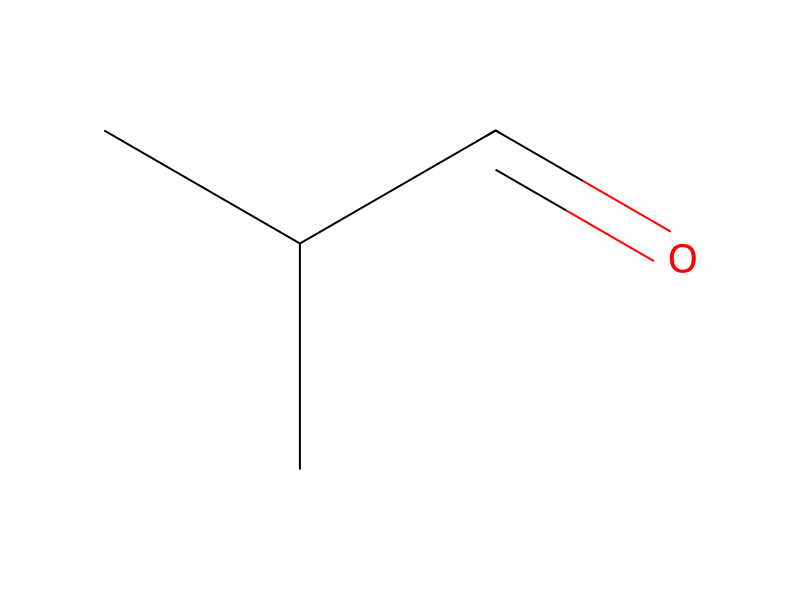
Product 1

Reagents, catalysts & solvents 2


Procedure
Catechol (22 g, 0.2 mole) and isobutyraldehyde (16 g, 0.24 mole) were dissolved in benzene (600 ml). A catalytic amount (5 drops) of sulfuric acid was added to the mixture. The mixture was heated under reflux and the water formed in the reaction was removed by use of a Dean-Stark trap. The reaction mixture was washed twice with aqueous sodium carbonate solution and dried. 2-Isopropyl-1,3-benzodioxole (11 g, 0.067 mole) was obtained by vacuum distillation. The 2-isopropyl-1,3-benzodioxole thus obtained boiled at 29-31° C. at 0.25 mm Hg. The nmr spectrum was consistent with the assigned structure.
Workup
- temperatureThe mixture was heated
- temperatureunder reflux
- customwas removed by use of a Dean-Stark trap
- washThe reaction mixture was washed twice with aqueous sodium carbonate solution
- customdried
Sources & evidence
- ORD record
- ord-26c49f2c2e3d476d9dd2aa105ca3079b
- Source dataset
- uspto-grants-1978_10
- Patent number
- US04118400
Reaction notes
Loading…