Dichloromethane → 2-Pyrrolidinone, 3-chloro-4-(chloromethyl)-1-(phenylmethyl)-
Reaction equation

[CH2:1]([N:4]([CH2:10][C:11]1[CH:16]=[CH:15][CH:14]=[CH:13][CH:12]=1)[C:5](=[O:9])[CH:6](Cl)[Cl:7])[CH:2]=[CH2:3].COCCOCCOC.N1CCCC1=O.C(Cl)[Cl:33]>>[CH2:10]([N:4]1[CH2:1][CH:2]([CH2:3][Cl:33])[CH:6]([Cl:7])[C:5]1=[O:9])[C:11]1[CH:16]=[CH:15][CH:14]=[CH:13][CH:12]=1Participants
5



Procedure
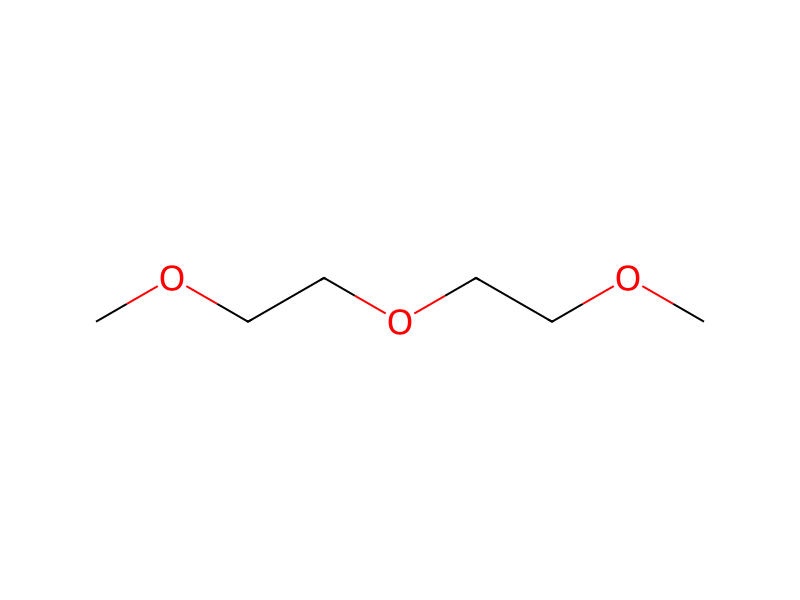
Eleven and one-tenth grams of N-allyl-N-benzyl dichloroacetamide was dissolved in 12 ml. of diglyme and 1 g. of anhydrous ferrous chloride added. The mixture was heated at reflux under nitrogen until conversion to the pyrrolidinone was complete as indicated by GLPC. The mixture was diluted with methylene chloride, washed with 5 percent hydrochloric acid, separated, dried over anhydrous magnesium sulfate, treated with activated carbon and Florisil and stripped under vacuum. Yield was 6 g. of the title compound, nD30 1.5387.
Workup
- temperatureThe mixture was heated
- washwashed with 5 percent hydrochloric acid
- customseparated
- dry with materialdried over anhydrous magnesium sulfate
- additiontreated with activated carbon and Florisil
Sources & evidence
- ORD record
- ord-5f883e302c4a4256a63feae086771481
- Source dataset
- uspto-grants-1978_10
- Patent number
- US04119636
Reaction notes
Loading…