Diisopropylamine → t-Butyl 3-(3-bromomethylphenyl)propionate
Reaction equation

C(NC(C)C)(C)C.C([Li])CCC.[C:13]([O:16][C:17]([CH3:20])([CH3:19])[CH3:18])(=[O:15])[CH3:14].[Br:21][CH2:22][C:23]1[CH:28]=[CH:27][CH:26]=[C:25]([CH2:29]Br)[CH:24]=1>O1CCCC1.CN(C)P(N(C)C)(N(C)C)=O>[Br:21][CH2:22][C:23]1[CH:24]=[C:25]([CH2:29][CH2:14][C:13]([O:16][C:17]([CH3:20])([CH3:19])[CH3:18])=[O:15])[CH:26]=[CH:27][CH:28]=1Participants

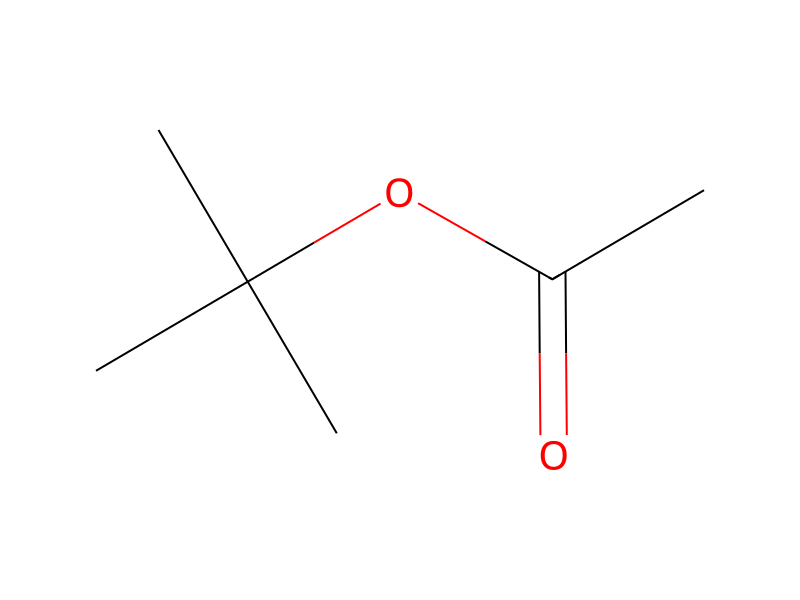





Procedure
A solution of di-isopropylamine (4.04 g) and butyl-lithium (25 ml, 160 M in hexane) in dry tetrahydrofuran (40.0 ml), stirred at -78° under dry nitrogen, was treated over 5 minutes with t-butyl acetate (4.64 g). To this solution was added, over 5 minutes, a solution of α,α'-dibromo-m-xylene (11.60 g) and dry hexamethyl phosphoramide (1.42 g) in dry tetrahydrofuran (8.0 ml). The resulting yellow solution was stirred at -78° for 1/2 hour, then allowed to warm to room temperature over 3 hours. Excess ice-water was added, and the mixture extracted with ether, and the extract washed with 1N hydrochloric acid (60 ml) then water. The dried extract was concentrated in vacuo, to give a yellow oil which was purified by column chromatography on silica, eluting with 1:1 ether:hexane, giving t-butyl 3-(3-bromomethylphenyl)propionate as a colourless oil. Using the method described in the last foregoing paragraph this was converted to the desired diethylester which was used in each of Examples 22 to 25.
Workup
- additionTo this solution was added, over 5 minutes
- extractionthe mixture extracted with ether
- washthe extract washed with 1N hydrochloric acid (60 ml)
- extractionThe dried extract
- concentrationwas concentrated in vacuo
- customto give a yellow oil which
- customwas purified by column chromatography on silica
- washeluting with 1:1 ether
Sources & evidence
- ORD record
- ord-10e4316a40cd4cecb34e39e2fa8b8e1e
- Source dataset
- uspto-grants-1984_12
- Patent number
- US04486443
Reaction notes
Loading…