Triethylamine → 2-[2-(Pyridin-4-yl)ethyl]-1lambda~6~,2,6-thiadiazinane-1,1-dione
Reaction equation

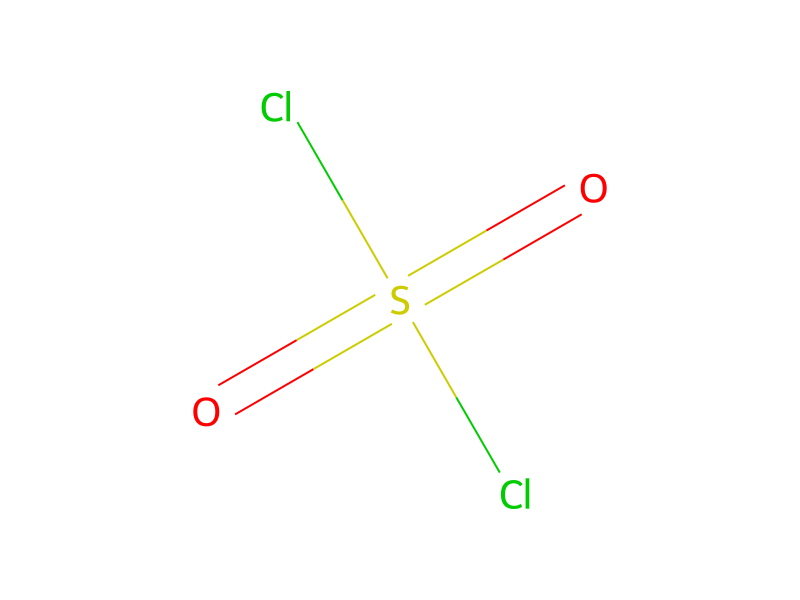
[S:1](Cl)(Cl)(=[O:3])=[O:2].[N:6]1[CH:11]=[CH:10][C:9]([CH2:12][CH2:13][NH:14][CH2:15][CH2:16][CH2:17][NH2:18])=[CH:8][CH:7]=1.C(N(CC)CC)C>ClCCl>[N:6]1[CH:11]=[CH:10][C:9]([CH2:12][CH2:13][N:14]2[CH2:15][CH2:16][CH2:17][NH:18][S:1]2(=[O:3])=[O:2])=[CH:8][CH:7]=1Participants
Reactant 3


Product 1

Reagents, catalysts & solvents 1

Procedure
A solution of sulphuryl chloride (7.5 g) in dichloromethane (20 cm3) was added dropwise over 15 minutes to a stirred solution of N-[2-(4-pyridyl)ethyl]-1,3-diaminopropane (10.0 g) in dichloromethane (100 cm3) and triethylamine (11.2 g) at -20°. The mixture was allowed to warm slowly to room temperature over 1 hour. After stirring for 16 hours the solution was filtered and sodium carbonate solution (50 cm3) was added. The aqueous phase was extracted with methylene chloride (2×50 cm3) and the dried (MgSO4) extracts were evaporated in vacuo to give an oil which was chromatographed on silica ("Merck 60. 9385") eluting with methanol:ethyl acetate, 1:19, to give a solid which was recrystallised from ethanol to afford 2-[2-(4-pyridyl)ethyl] tetrahydro-1,2,6-thiadiazine-1,1-dioxide, m.p. 124°-125° (2.0 g).
Workup
- filtrationwas filtered
- additionsodium carbonate solution (50 cm3) was added
- extractionThe aqueous phase was extracted with methylene chloride (2×50 cm3)
- dry with materialthe dried (MgSO4) extracts
- customwere evaporated in vacuo
- customto give an oil which
- customwas chromatographed on silica ("Merck 60. 9385")
- washeluting with methanol
- customethyl acetate, 1:19, to give a solid which
- customwas recrystallised from ethanol
Sources & evidence
- ORD record
- ord-46d6b08e83f84426b7f71fdf248747b8
- Source dataset
- uspto-grants-1984_12
- Patent number
- US04489075
Reaction notes
Loading…