2-Nitrophenol → HCID 70546043, compound
Reaction equation

[Cl:1][C:2]1[CH:7]=[CH:6][C:5]([CH2:8][CH2:9][O:10][C:11]2[CH:16]=[CH:15][C:14]([N+:17]([O-])=O)=[CH:13][CH:12]=2)=CN=1.Cl[C:21]1C=CC(CC(O)=O)=C[N:22]=1.B.C1COCC1.FC1C=CC([N+]([O-])=O)=CC=1.[N+](C1C=CC=CC=1O)([O-])=O.[NH4+].[Cl-]>[Fe]>[Cl:1][CH2:2][CH2:7][C:6]1[CH:5]=[CH:8][C:9]([O:10][C:11]2[CH:12]=[CH:13][C:14]([NH2:17])=[CH:15][CH:16]=2)=[CH:21][N:22]=1Participants
8
Reactant 6

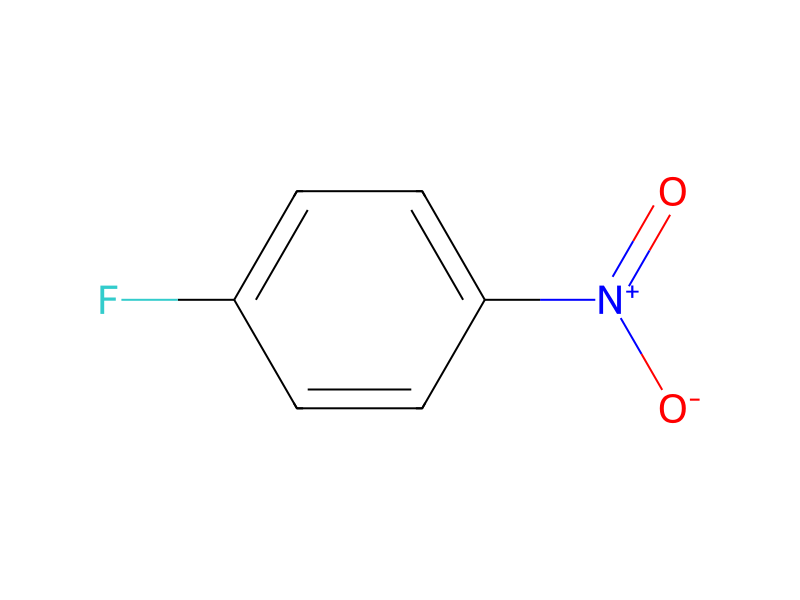



Product 1

Reagents, catalysts & solvents 1

Procedure
Following the procedure of Example 1, 2-chloro-5-(4-nitrophenoxy)ethylpyridine is prepared from the reaction of 2-chloro-5-pyridylacetic acid with borane/THF and 1-fluoro-4-nitrobenzene or, alternatively, from the reaction of 2-chloro-(5-chloroethyl)pyridine with 4 nitrophenol. The resulting 2-chloro-5-(4-nitrophenoxy)ethylpyridine is reduced with iron in the presence of NH4Cl to produce 2-chloro-5-(4-aminophenoxy)-ethylpyridine, which in turn is reacted with 3,4,5,6-tetra-hydrophthalic anhydride to yield the final product N-4-[5-(2-chloropyridyl)ethoxy]phenyl-3,4,5,6-tetrahydrophthalimide.
Sources & evidence
- ORD record
- ord-724fedec66c949608ac73be94d97dc84
- Source dataset
- uspto-grants-1982_06
- Patent number
- US04332944
Reaction notes
Loading…