Triethylamine → HCID 20199809, compound
Reaction equation

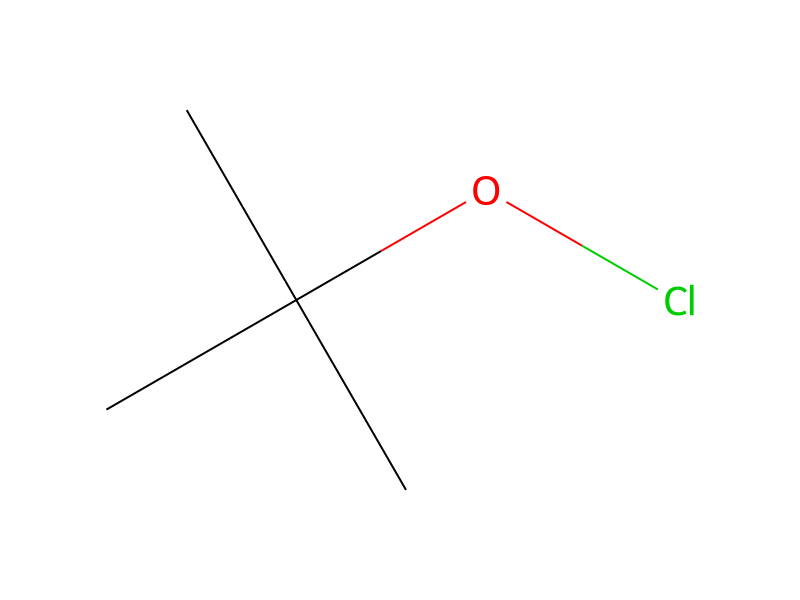
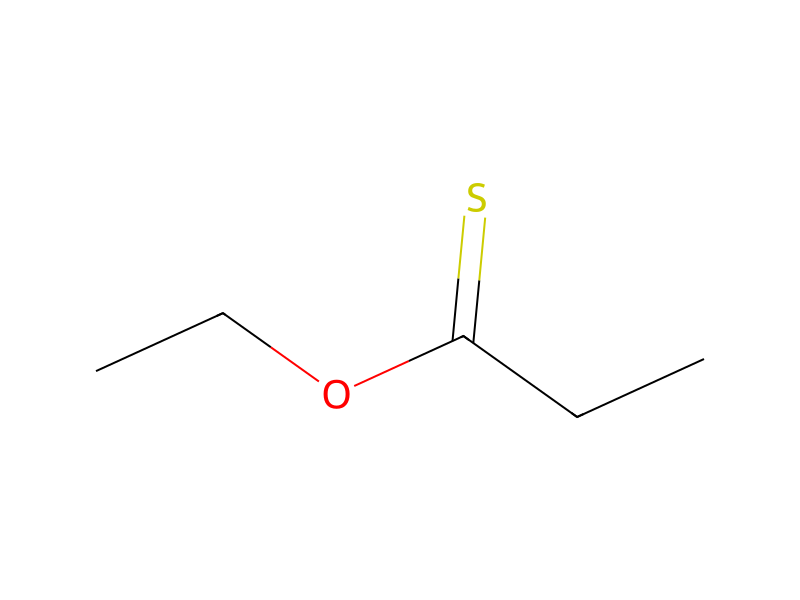
[NH2:1][C:2]1[CH:3]=[C:4]([C:9]2[CH:14]=[CH:13][CH:12]=[CH:11][CH:10]=2)[CH:5]=[CH:6][C:7]=1[CH3:8].CC[C:17](OCC)=[S:18].[C:22]([O:26]Cl)(C)(C)[CH3:23].C(N(CC)CC)C>C(Cl)Cl>[CH3:17][S:18][CH:23]1[C:3]2[C:2](=[C:7]([CH3:8])[CH:6]=[CH:5][C:4]=2[C:9]2[CH:10]=[CH:11][CH:12]=[CH:13][CH:14]=2)[NH:1][C:22]1=[O:26]Participants
Reactant 4


Product 1

Reagents, catalysts & solvents 1

Conditions
- Temperature
- -65 °C
Procedure
A solution of 30.6 grams (0.13 mole) of 3-amino-4-methylbiphenyl in 400 milliliters of methylene chloride is cooled to -65° C. and treated with 17.0 grams (0.13 mole) of ethyl 2-methylthioacetate and then 14.2 grams (0.132 mole) of t-butylhypochlorite while maintaining the temperature below -60° C. The reaction mixture is stirred at -65° C. for 1.5 hours, treated with 13.3 grams (0.132 mole) of triethyl amine and allowed to warm to ambient temperature. The solution is washed twice with water and concentrated. The residue is dissolved in 200 milliliters of methanol, 40 milliliters of 3 N hydrochloric acid are added, and the mixture refluxed overnight. The solution is concentrated until a solid begins to precipitate. The mixture is cooled, and the solid collected by filtration.
Workup
- temperatureto warm to ambient temperature
- washThe solution is washed twice with water
- concentrationconcentrated
- dissolutionThe residue is dissolved in 200 milliliters of methanol
- addition40 milliliters of 3 N hydrochloric acid are added
- temperaturethe mixture refluxed overnight
- concentrationThe solution is concentrated until a solid
- customto precipitate
- temperatureThe mixture is cooled
- filtrationthe solid collected by filtration
Sources & evidence
- ORD record
- ord-9d08f8baefdf406987d21ebffff36f75
- Source dataset
- uspto-grants-1982_06
- Patent number
- US04333951
Reaction notes
Loading…