N,N-Dimethylaniline → 2-Amino-4-nonadecylpyridine
Reaction equation

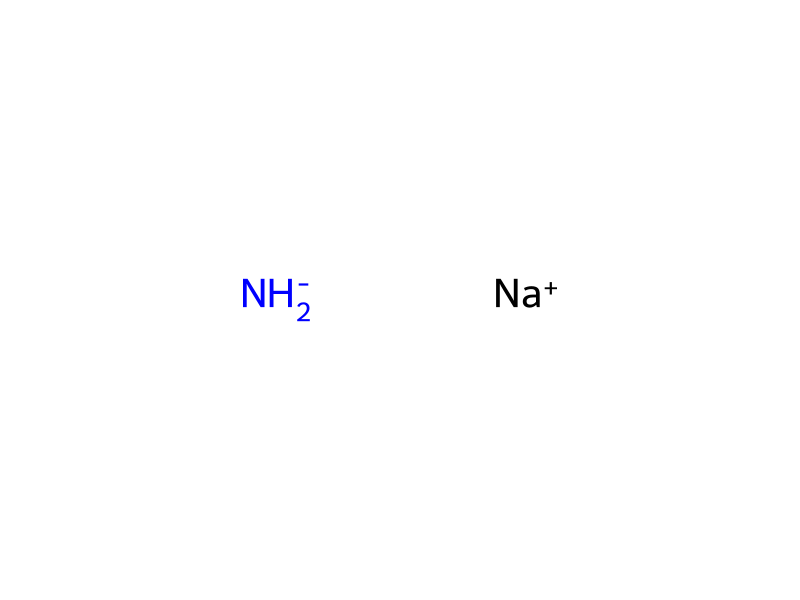
[CH2:1]([C:20]1[CH:25]=[CH:24][N:23]=[CH:22][CH:21]=1)[CH2:2][CH2:3][CH2:4][CH2:5][CH2:6][CH2:7][CH2:8][CH2:9][CH2:10][CH2:11][CH2:12][CH2:13][CH2:14][CH2:15][CH2:16][CH2:17][CH2:18][CH3:19].[NH2-].[Na+].C[N:29](C)C1C=CC=CC=1>O>[NH2:29][C:24]1[CH:25]=[C:20]([CH2:1][CH2:2][CH2:3][CH2:4][CH2:5][CH2:6][CH2:7][CH2:8][CH2:9][CH2:10][CH2:11][CH2:12][CH2:13][CH2:14][CH2:15][CH2:16][CH2:17][CH2:18][CH3:19])[CH:21]=[CH:22][N:23]=1Participants
5
Reactant 3


Product 1

Reagents, catalysts & solvents 1

Conditions
- Temperature
- 150 °C
Procedure
A mixture of 0.5 molar portion of 4-nonadecylpyridine, 0.59 mole of sodium amide and 1.18 moles of N,N-dimethylaniline was heated at 150° C. for six hours. The reaction mixture, after cooling, was poured into water, and the dimethylaniline layer was separated and dried over anhydrous potassium carbonate. After removal of the solvent in vacuo the residue was stirred in petroleum ether and crystallized from ethyl acetate/ligroin. Yield 45%. Anal. Calcd for C24H44N2: C, 79.93; H, 12.30; N, 7.77. Found: C, 79.63; H, 12.40; N, 7.60. MS (ESIMS): m/z: 360.4.
Workup
- temperatureThe reaction mixture, after cooling
- customthe dimethylaniline layer was separated
- dry with materialdried over anhydrous potassium carbonate
- customAfter removal of the solvent in vacuo the residue
- customcrystallized from ethyl acetate/ligroin
Sources & evidence
- ORD record
- ord-f71c753aafd84fbca5eed29db5194c11
- Source dataset
- uspto-grants-2010_10
- Patent number
- US07812251B2
Reaction notes
Loading…