Pyridine → tert-Butyl 3-carbamoylmorpholine-4-carboxylate
Reaction equation

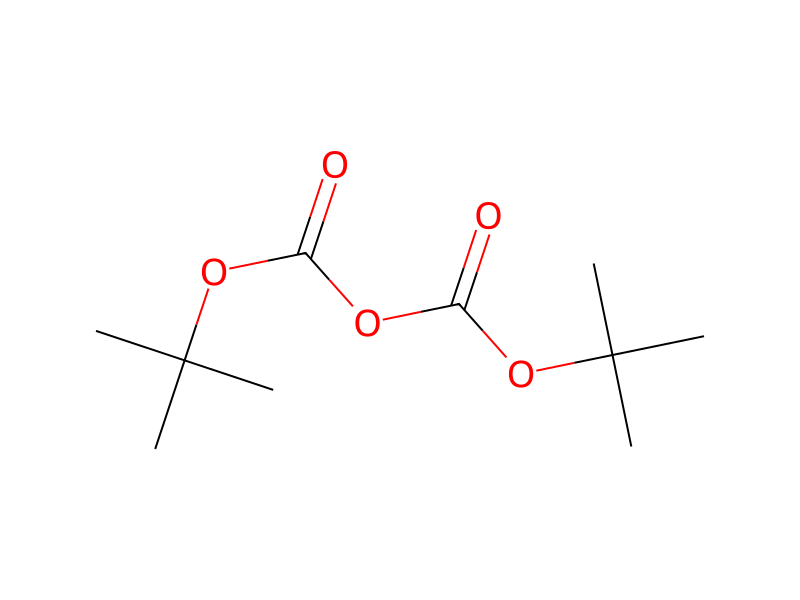
[C:1]([O:5][C:6]([N:8]1[CH2:13][CH2:12][O:11][CH2:10][CH:9]1[C:14]([OH:16])=O)=[O:7])([CH3:4])([CH3:3])[CH3:2].[N:17]1C=CC=CC=1.C(OC(OC(C)(C)C)=O)(OC(C)(C)C)=O>O1CCOCC1>[NH2:17][C:14]([CH:9]1[CH2:10][O:11][CH2:12][CH2:13][N:8]1[C:6]([O:5][C:1]([CH3:4])([CH3:3])[CH3:2])=[O:7])=[O:16]Participants
5
Reactant 3


Product 1

Reagents, catalysts & solvents 1

Procedure
To a stirred solution of the compound prepared in Step 1 (1 eq.), pyridine (0.6 eq.) and di-t-butyl dicarbonate (1.3 eq.) in dioxane (0.6 M), NH4HCO3 (1.26 eq.) was added and the mixture was stirred at room temperature for 20 hours. Mixture was concentrated, taken up in EtOAc and washed with water and brine. Organics were dried over Na2SO4 and evaporated giving the title product as an oil which crystallized at room temperature.
Workup
- concentrationMixture was concentrated
- washwashed with water and brine
- dry with materialOrganics were dried over Na2SO4
- customevaporated
Sources & evidence
- ORD record
- ord-2f15ca6eefaa4172a740aee2f25b055d
- Source dataset
- uspto-grants-2010_10
- Patent number
- US07820660B2
Reaction notes
Loading…