Benzoic Acid → 37969-58-7
Reaction equation

[Cl:1][C:2]1[CH:22]=[CH:21][C:5]([O:6][CH2:7][CH:8]2[C:17]3[C:12](=[CH:13][C:14]([OH:20])=[C:15]([O:18]C)[CH:16]=3)[CH2:11][CH2:10][NH:9]2)=[CH:4][CH:3]=1.O.O.O.[I-].[Li+].C(O)(=O)C1C=CC=CC=1>CO>[ClH:1].[Cl:1][C:2]1[CH:3]=[CH:4][C:5]([O:6][CH2:7][CH:8]2[C:17]3[C:12](=[CH:13][C:14]([OH:20])=[C:15]([OH:18])[CH:16]=3)[CH2:11][CH2:10][NH:9]2)=[CH:21][CH:22]=1Participants
5
Reactant 3
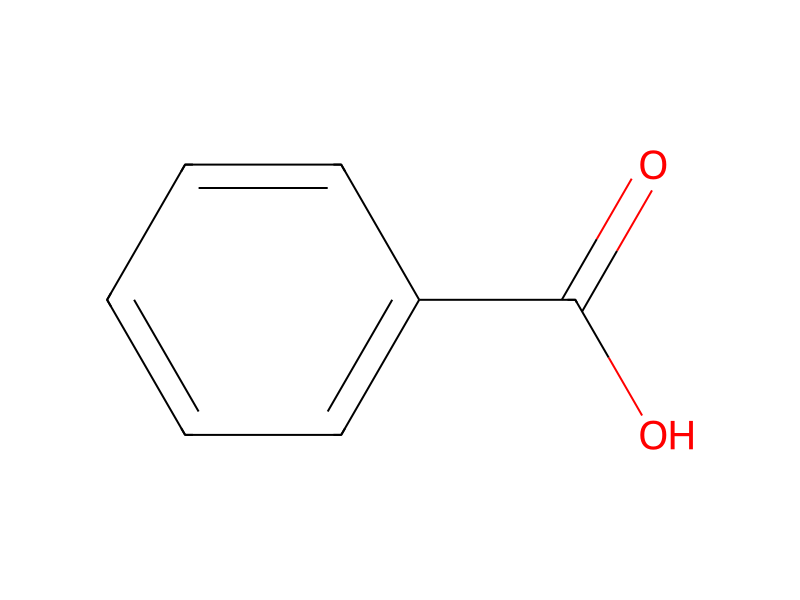


Product 1

Reagents, catalysts & solvents 1

Procedure
A mixture of 1-(4-chlorophenoxy)methyl-6-hydroxy-7-methoxy-1,2,3,4-tetrahydroisoquinoline (100 mg), lithium iodide trihydrate (150 mg) and benzoic acid (38 mg) was heated in an oil bath of 200° to 210° C. for 0.5 hour. After the reaction, the precipitated solid was dissolved in methanol absorbed with hydrogen chloride, and then insoluble material was filtered off. The filtrate was concentrated, and to the residue was added a small amount of ether, and the mixture was allowed to stand. The precipitated crystals were collected by filtration, and dried to give 1-(4-chlorophenoxy)methyl-6,7-dihydroxy-1,2,3,4-tetrahydroisoquinoline hydrochloride, mp 226° C. The product was identified with a sample by I.R. spectrum and N.M.R. spectrum.
Workup
- temperaturewas heated in an oil bath of 200° to 210° C. for 0.5 hour
- customAfter the reaction
- customabsorbed with hydrogen chloride
- filtrationinsoluble material was filtered off
- concentrationThe filtrate was concentrated
- additionto the residue was added a small amount of ether
- filtrationThe precipitated crystals were collected by filtration
- customdried
Sources & evidence
- ORD record
- ord-3d573704b9d24859bc0c00f851f80e38
- Source dataset
- uspto-grants-1983_01
- Patent number
- US04370332
Reaction notes
Loading…