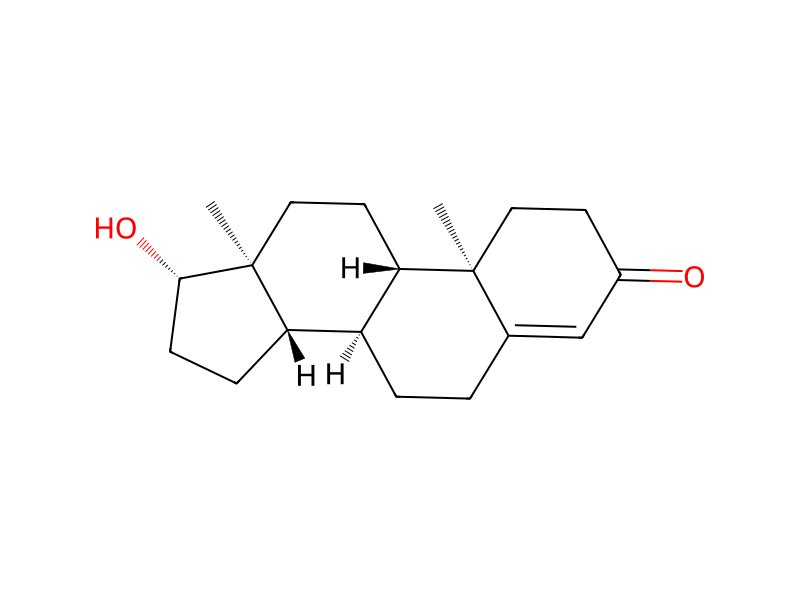
Testosterone → HCID 86740365, compound
Reaction equation

[OH:1][C@H:2]1[CH2:7][CH2:6][C@H:5]2[C@H:8]3[C@H:17]([CH2:18][CH2:19][C@:3]12[CH3:4])[C@:16]1([CH2:20][C:21]#[CH:22])[C:11](=[CH:12][C:13](=O)[CH2:14][CH2:15]1)[CH2:10][CH2:9]3.[CH3:24][C@@]12[C@@H](O)CC[C@H]1[C@@H]1CCC3[C@@](C)([C@H]1CC2)CCC(=O)C=3>>[CH2:24]=[C:13]1[CH2:14][CH2:15][C@@:16]2([CH2:20][C:21]#[CH:22])[C:11]([CH2:10][CH2:9][C@@H:8]3[C@@H:17]2[CH2:18][CH2:19][C@@:3]2([CH3:4])[C@H:5]3[CH2:6][CH2:7][C@@H:2]2[OH:1])=[CH:12]1Participants
3


Procedure
To obtain the compounds of the present invention in which R4 is =CH2, 17β-hydroxy-10-(2-propynyl)estr-4-en-3-one is used as the starting material. This testosterone derivative is subjected to a Wittig reaction to give 3-methylene-10-(2-propynyl)estr-4-en-17β-ol. The 17-hydroxy group is then oxidized to the corresponding ketone and a hydroxyacetyl side chain is introduced at the 17-position using methyl methoxyacetate and the general procedure described earlier.
Workup
- customTo obtain the compounds of the present invention in which R4
Sources & evidence
- ORD record
- ord-e6317a8e12bd4b719ff598a5391ab5a6
- Source dataset
- uspto-grants-1990_03
- Patent number
- US04910191
Reaction notes
Loading…