Citric Acid → HCID 15745338, compound
Reaction equation

[CH:1]1([CH2:4][N:5]2[CH2:12][CH:11]3[C:13]([CH3:15])([CH3:14])[CH:7]([CH2:8][NH:9][CH2:10]3)[CH2:6]2)[CH2:3][CH2:2]1.[NH2-].[Li+].[F:18][C:19]1[CH:24]=[CH:23][C:22]([CH:25](Cl)[C:26]2[CH:31]=[CH:30][C:29]([F:32])=[CH:28][CH:27]=2)=[CH:21][CH:20]=1.C(O)(=O)CC(CC(O)=O)(C(O)=O)O>CN(C)C=O>[F:18][C:19]1[CH:20]=[CH:21][C:22]([CH:25]([C:26]2[CH:31]=[CH:30][C:29]([F:32])=[CH:28][CH:27]=2)[N:9]2[CH2:8][CH:7]3[C:13]([CH3:15])([CH3:14])[CH:11]([CH2:12][N:5]([CH2:4][CH:1]4[CH2:2][CH2:3]4)[CH2:6]3)[CH2:10]2)=[CH:23][CH:24]=1Participants
6
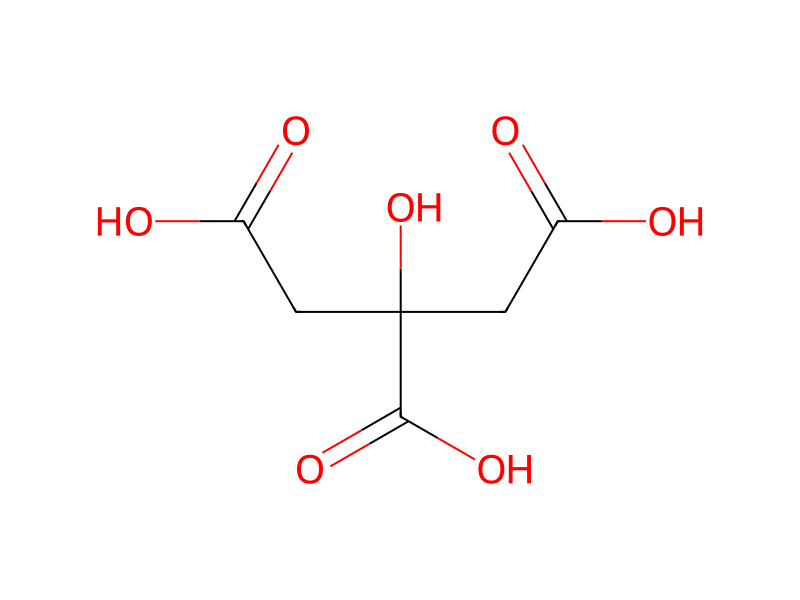



Conditions
- Temperature
- 60 °C
Procedure
3.5 g 3-cyclopropylmethyl-9,9-dimethyl-3,7-diazabicyclo[3,3,1]nonane were dissolved in 25 ml dimethylformamide, and 0.8 g lithium amide were added to the solution. The reaction mixture was then maintained at a temperature of 60° C. for one hour and subsequently allowed to cool. After cooling, a solution of 8 g bis-(4-fluorophenyl)methyl chloride in 10 ml dimethylformamide was added in drops, and the reaction mixture was stirred for a further 4 hours at 40° C. Then aqueous citric acid solution was added to the reaction mixture, and the mixture was worked up as described in Example 1. 5.8 g 7-[bis-(4-fluorophenyl)methyl]-3-cyclopropylmethyl-9,9-dimethyl-3,7diazabicyclo[3,3,1]nonane were obtained as an oleaginous base.
Workup
- temperatureto cool
- temperatureAfter cooling
Sources & evidence
- ORD record
- ord-3f9e365cd614483a8984c697d3482eb0
- Source dataset
- uspto-grants-1990_03
- Patent number
- US04912113
Reaction notes
Loading…