Hydrazine hydrate (1:1) → Nebracetam
Reaction equation

C1(=O)[N:5]([CH2:6][CH:7]2[CH2:11][N:10]([CH2:12][C:13]3[CH:18]=[CH:17][CH:16]=[CH:15][CH:14]=3)[C:9](=[O:19])[CH2:8]2)C(=O)C2=CC=CC=C12.O.NN.C(O)(=O)/C=C/C(O)=O>C(O)C>[CH2:12]([N:10]1[CH2:11][CH:7]([CH2:6][NH2:5])[CH2:8][C:9]1=[O:19])[C:13]1[CH:14]=[CH:15][CH:16]=[CH:17][CH:18]=1Participants
Reactant 3

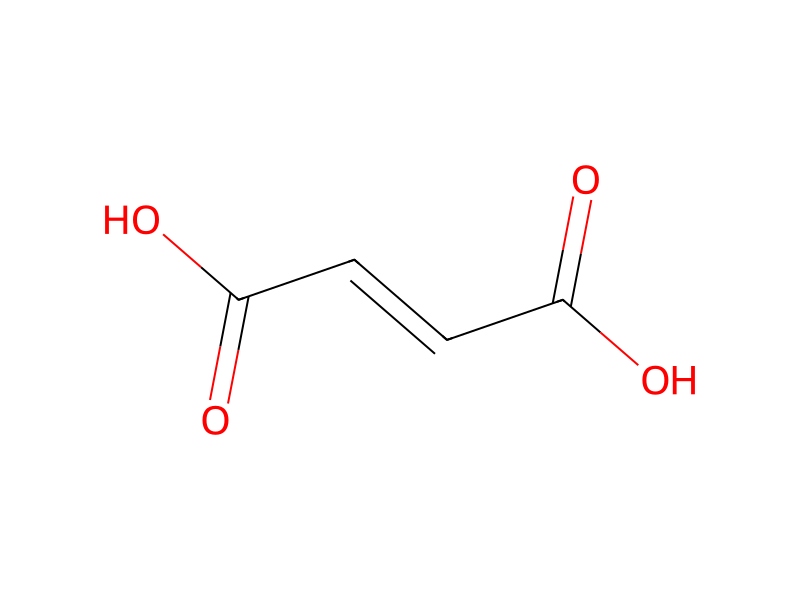

Product 1

Reagents, catalysts & solvents 1

Procedure
54 g (0.16 mol) of 4-phthalimidomethyl-1-benzyl-pyrrolidin-2-one are stirred into 1.3 liters of ethyl alcohol after the addition of 32 g of hydrazine hydrate for 4 hours at ambient temperature. The precipitate (phthalic acid hydrazide) is suction filtered and the filtrate is concentrated by evaporation. 500 ml of methylene chloride are added to the residue and it is extracted three times with 100 ml of water. The organic phase is dried and evaporated. The residue remaining is dissolved in 500 ml of methanol and 20 g (0.17 mol) of solid fumaric acid are added in batches at boiling temperature with stirring. When the mixture cools, colourless crystals are precipitated which are suction filtered and then washed with methanol and ether. Yield: 20-25 g (48-60% of theory), m.p. 209°-211° C.
Workup
- filtrationThe precipitate (phthalic acid hydrazide) is suction filtered
- concentrationthe filtrate is concentrated by evaporation
- addition500 ml of methylene chloride are added to the residue and it
- extractionis extracted three times with 100 ml of water
- customThe organic phase is dried
- customevaporated
- dissolutionThe residue remaining is dissolved in 500 ml of methanol
- customcolourless crystals are precipitated which
- filtrationfiltered
- washwashed with methanol and ether
Sources & evidence
- ORD record
- ord-66014d886de541c9b22043a57df97ac7
- Source dataset
- uspto-grants-1990_03
- Patent number
- US04912129
Reaction notes
Loading…