Acetic Acid → HCID 53974431, compound
Reaction equation

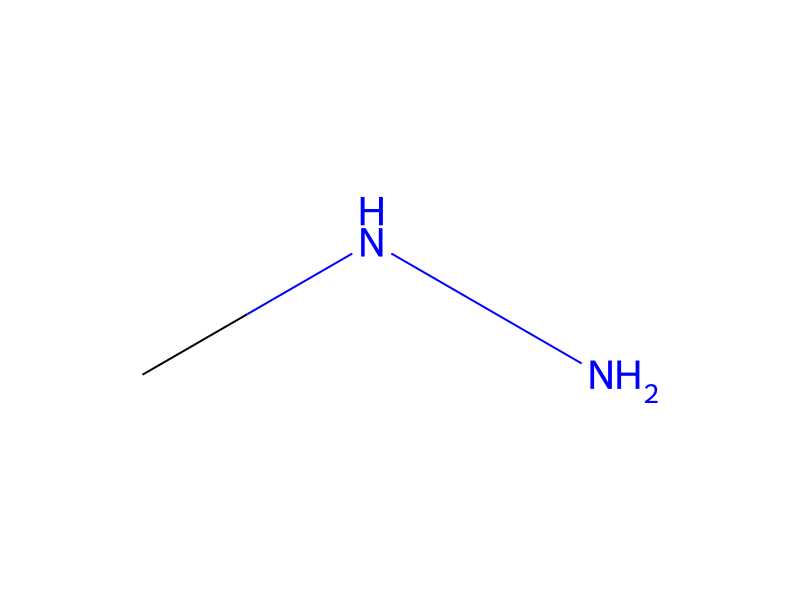
[Cl:1][C:2]1[CH:7]=[C:6]([Cl:8])[CH:5]=[CH:4][C:3]=1[C:9](=O)[CH2:10][C:11](=O)[C:12](OCC)=O.[N:19]([O-])=O.[Na+].[CH3:23][NH:24][NH2:25].Cl.[C:27]([OH:30])(=[O:29])[CH3:28]>O.CCOCC>[CH3:23][N:24]1[C:9]([C:3]2[CH:4]=[CH:5][C:6]([Cl:8])=[CH:7][C:2]=2[Cl:1])=[C:10]([NH2:19])[C:11]([CH2:12][CH2:28][C:27]([OH:30])=[O:29])=[N:25]1Participants







Procedure
Intermediate (1) (15.4 g) was dissolved in acetic acid and sodium nitrite (3.8 g) in 15 ml water was added slowly. After the exothermic reaction was complete, and the reaction mixture began to cool, methyl hydrazine (6 ml) was added. The reaction mixture was allowed to stir overnight, or until the mixture became yellow. The mixture was concentrated to dryness, giving a yellow oil. This oil was suspended between ether and 2N HCl. The aqueous solution was separated and neutralized with sodium bicarbonate and the slightly basic solution was extracted with ethyl acetate. The ethyl acetate layer was dried and concentrated, yielding 1-methyl-3-carboxyethyl-4-amino-5-(2,4-dicliloroplienyl)pyrazole (intermediate 2), which was used without purification in the next step.
Workup
- customAfter the exothermic reaction
- temperatureto cool
- concentrationThe mixture was concentrated to dryness
- customgiving a yellow oil
- customThe aqueous solution was separated
- extractionthe slightly basic solution was extracted with ethyl acetate
- dry with materialThe ethyl acetate layer was dried
- concentrationconcentrated
Sources & evidence
- ORD record
- ord-235905e7b6b846979f11ef9126c7737a
- Source dataset
- uspto-grants-2003_09
- Patent number
- US06613777B1
Reaction notes
Loading…