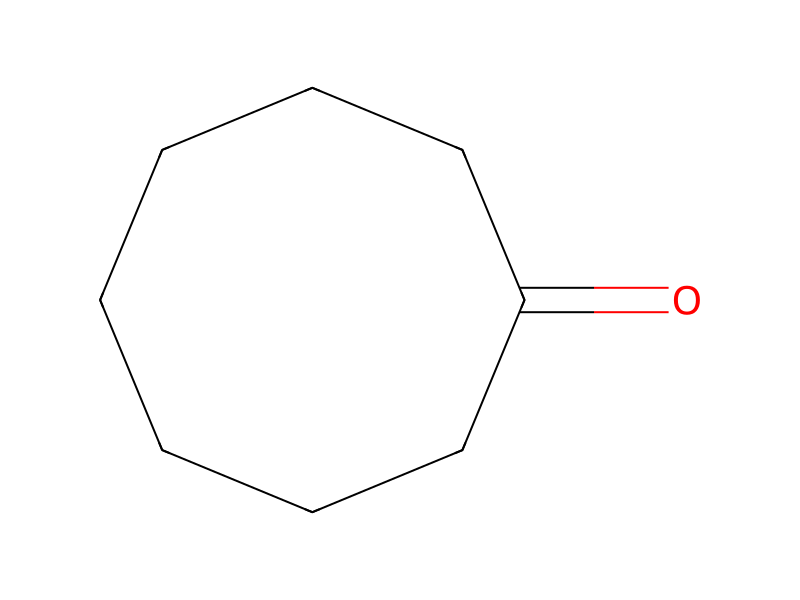
Cyclooctanone → 1-Cyclooctylpyrrolidine
Reaction equation

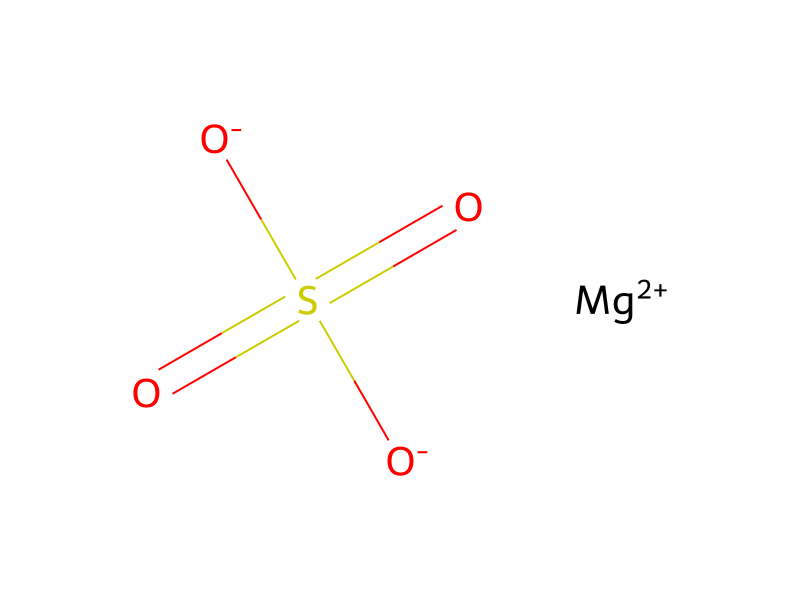
[NH:1]1[CH2:5][CH2:4][CH2:3][CH2:2]1.[C:6]1(=O)[CH2:13][CH2:12][CH2:11][CH2:10][CH2:9][CH2:8][CH2:7]1.S([O-])([O-])(=O)=O.[Mg+2]>CCCCCC>[CH:6]1([N:1]2[CH2:5][CH2:4][CH2:3][CH2:2]2)[CH2:13][CH2:12][CH2:11][CH2:10][CH2:9][CH2:8][CH2:7]1Participants
Reactant 3

Product 1

Reagents, catalysts & solvents 1

Procedure
A three-neck 3000 ml. flask is charged with 75 gm. (1.05 moles) of pyrrolidine, 51 gm. cyclooctanone (0.4 mole) and 80 ml. anhydrous hexane. To the resulting solution, 80 gm. (0.8 mole) of anhydrous magnesium sulfate is added and the mixture is mechanically stirred and heated at reflux (the reaction was monitored by NMR analysis) for 108 hours. The reaction mixture is filtered through a fritted glass funnel. The filtrate is concentrated at reduced pressure on a rotary evaporator to give 70.5 gm. of a clear (yellow-tinted) oily substance. 1H-NMR and 13C-NMR spectra are acceptable for the desired product, 1-(1-pyrrolino)cyclooctene. Saturation of the 1-(1-pyrrolino)cyclooctene to give N-cyclooctylpyrrolidine is accomplished in 98% yield by catalytic hydrogenation in ethanol at a 55 psi pressure of hydrogen gas in the presence of 10% Pd on activated carbon.
Workup
- additionflask is charged with 75 gm
- temperatureheated
- temperatureat reflux (the reaction
- customfor 108 hours
- filtrationThe reaction mixture is filtered through a fritted glass funnel
- concentrationThe filtrate is concentrated at reduced pressure on a rotary evaporator
- customto give 70.5 gm
Sources & evidence
- ORD record
- ord-71e7e88011f04d04a78be62ce6731b97
- Source dataset
- uspto-grants-2003_09
- Patent number
- US06616911B2
Reaction notes
Loading…