Hydrogen Peroxide → 8-Hydroxyquinoline N-oxide
Reaction equation

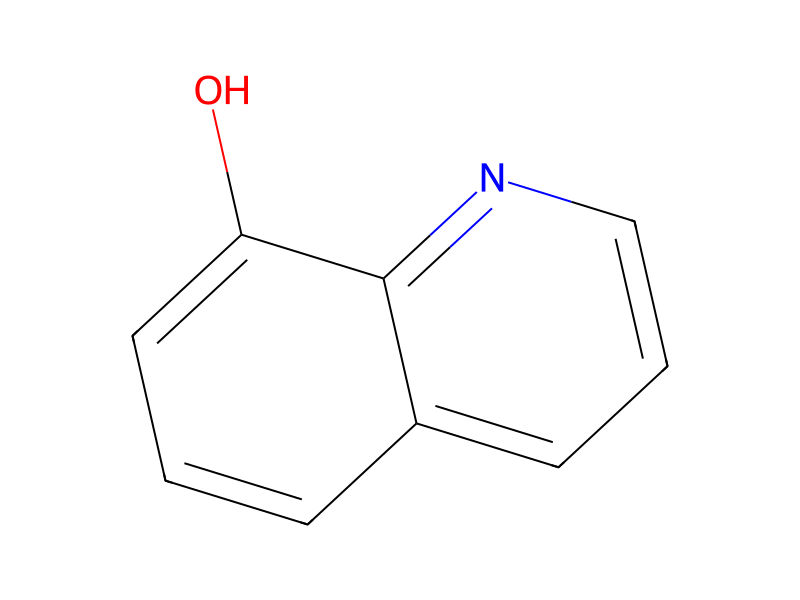
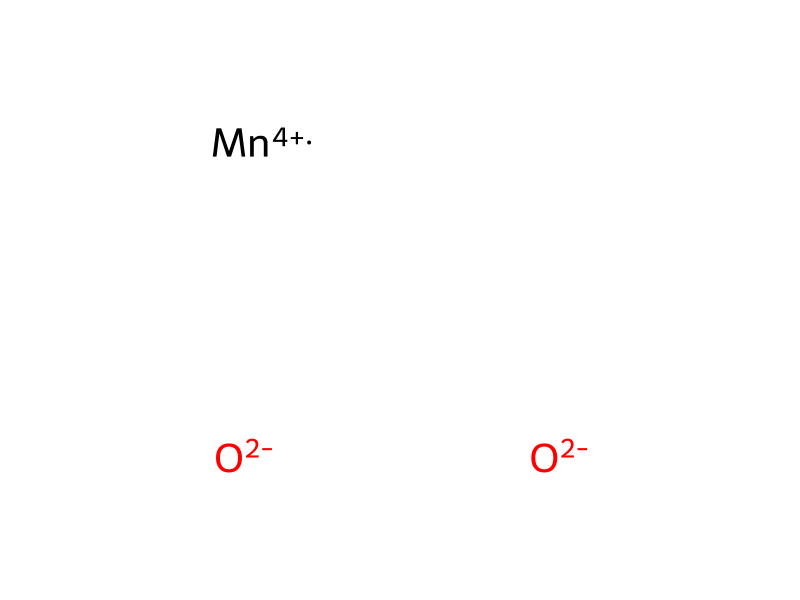
[OH:1][C:2]1[CH:3]=[CH:4][CH:5]=[C:6]2[C:11]=1[N:10]=[CH:9][CH:8]=[CH:7]2.ClCCl.[OH:15]O>C[Re](=O)(=O)=O.[O-2].[O-2].[Mn+4]>[OH:1][C:2]1[CH:3]=[CH:4][CH:5]=[C:6]2[C:11]=1[N+:10]([O-:15])=[CH:9][CH:8]=[CH:7]2Participants




Conditions
- Temperature
- 25 °C
Procedure
59.74 g (411 mmol) of 8-hydroxyquinoline, 350 ml (822 mmol) of dichloromethane, 82.2 ml of 35% aqueous hydrogen peroxide solution and 0.52 g (2.5 mmol) of methylrhenium trioxide (MTO) are placed in a 1 l round-bottomed flask. The reaction mixture is stirred at ambient temperature (25° C.) for 24 h and then 80 ml of aqueous hydrogen peroxide solution and 0.32 g of manganese dioxide are successively added. The mixture is stirred for 1 h 30 and then separated by settling. The aqueous phase is extracted with dichloromethane (2×200 ml). The organic phases are combined, dried over sodium sulfate, filtered and concentrated under vacuum to provide 64 g of 8-hydroxyquinoline N-oxide in the form of an organe-colored solid; M.p.=112° C. (Yield: 97%)
Workup
- stirringThe mixture is stirred for 1 h 30
- customseparated
- extractionThe aqueous phase is extracted with dichloromethane (2×200 ml)
- dry with materialdried over sodium sulfate
- filtrationfiltered
- concentrationconcentrated under vacuum
Sources & evidence
- ORD record
- ord-4a5b83736d134f5b9b096add3c599ff2
- Source dataset
- uspto-grants-2003_09
- Patent number
- US06617336B1
Reaction notes
Loading…