Potassium Hydroxide → HCID 59094092, compound
Reaction equation

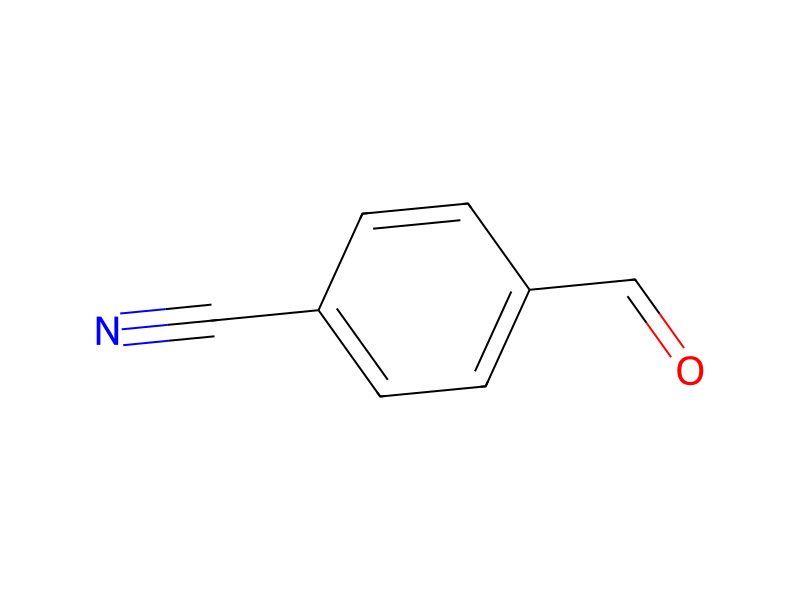
[OH-].[K+].[CH3:3][O:4][C:5]1[C:14]([C:15](=[O:17])[CH3:16])=[C:13]2[C:8]([C:9](=[O:25])[C:10]([CH3:24])=[C:11]([C:18]3[CH:23]=[CH:22][CH:21]=[CH:20][CH:19]=3)[O:12]2)=[CH:7][CH:6]=1.[C:26]([C:28]1[CH:35]=[CH:34][C:31]([CH:32]=O)=[CH:30][CH:29]=1)#[N:27]>C(O)C.O>[CH3:24][C:10]1[C:9](=[O:25])[C:8]2[C:13](=[C:14]([C:15](=[O:17])[CH:16]=[CH:32][C:31]3[CH:34]=[CH:35][C:28]([C:26]#[N:27])=[CH:29][CH:30]=3)[C:5]([O:4][CH3:3])=[CH:6][CH:7]=2)[O:12][C:11]=1[C:18]1[CH:19]=[CH:20][CH:21]=[CH:22][CH:23]=1Participants
6
Reactant 3


Product 1

Reagents, catalysts & solvents 2


Procedure
A solution of KOH 50% (3 ml) is added to an equimolar solution of 7-methoxy -8-acetyl-3methylflavone (2.31 g, 0.0075 mol) and 4-cyanobenzaldehyde (0.98 g, 0.0075 mol) in ethanol 95%; the addition is performed under energetic stirring at room temperature. The reaction is left under stirring for one night and then diluted with water and acidified; the precipitate is separated by filtration and dried under vacuum. The compound is crystallized by ethanol to give 2.1 g of product m.p. 223-224C, 1H-NMR (CDCl3)δ:2.18 (s, 3H), 3.96 (s, 3H), 7.04-8.36 (m, 13H).
Workup
- additionthe addition
- waitThe reaction is left
- stirringunder stirring for one night
- customthe precipitate is separated by filtration
- customdried under vacuum
- customThe compound is crystallized by ethanol
Sources & evidence
- ORD record
- ord-c5dd54d836ad4e2399cc237a1ed868dd
- Source dataset
- uspto-grants-2003_09
- Patent number
- US06620842B2
Reaction notes
Loading…