Ammonia → Diphenyliodonium camphorsulfonate
Reaction equation

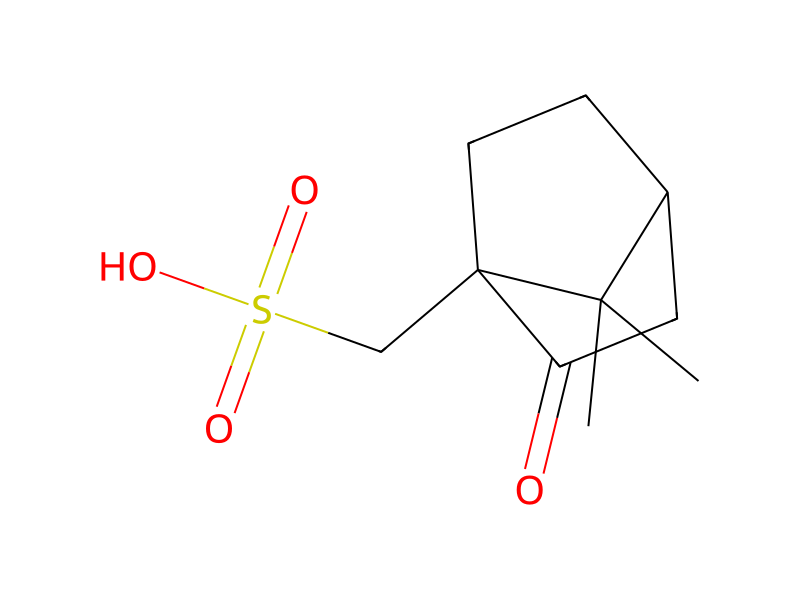
COP([O-])(OC)=O.[C:8]1([I+:14][C:15]2[CH:20]=[CH:19][CH:18]=[CH:17][CH:16]=2)[CH:13]=[CH:12][CH:11]=[CH:10][CH:9]=1.[C:21]12([CH2:31][S:32]([OH:35])(=[O:34])=[O:33])[C:28]([CH3:30])([CH3:29])[CH:25]([CH2:26][CH2:27]1)[CH2:24][C:22]2=[O:23].N>C(Cl)Cl>[C:21]12([CH2:31][S:32]([O-:35])(=[O:33])=[O:34])[C:28]([CH3:30])([CH3:29])[CH:25]([CH2:26][CH2:27]1)[CH2:24][C:22]2=[O:23].[C:15]1([I+:14][C:8]2[CH:9]=[CH:10][CH:11]=[CH:12][CH:13]=2)[CH:16]=[CH:17][CH:18]=[CH:19][CH:20]=1Participants
5




Procedure
Diphenyliodonium dimethylphosphate (315 mg; 1 mmol) and camphorsulfonic acid (254 mg; 1.1 mmol) were dissolved in methylene chloride (10 ml), and the resultant mixture was stirred, followed by addition of 1% aqueous ammonia (10 ml). After the alkalinity of the solution was confirmed, the solution was stirred vigorously. The thus-obtained mixture was allowed to stand, and the aqueous layer was separated. The aqueous layer was washed with water successively until the aqueous layer exhibited neutral pH. The methylene chloride solution was dried, and the solvent was removed through distillation. The residue was washed in ether by stirring, to thereby precipitate 465 mg of the target compound as white crystals (yield: 91%).
Workup
- customthe aqueous layer was separated
- washThe aqueous layer was washed with water successively until the aqueous layer
- dry with materialThe methylene chloride solution was dried
- customthe solvent was removed through distillation
- washThe residue was washed in ether
- stirringby stirring
Sources & evidence
- ORD record
- ord-851ac7d9ece047cf8781844c50c5a979
- Source dataset
- uspto-grants-2003_09
- Patent number
- US06620957B1
Reaction notes
Loading…