Benzaldehyde → 5-Benzylidene-2,4-thiazolidinedione
Reaction equation

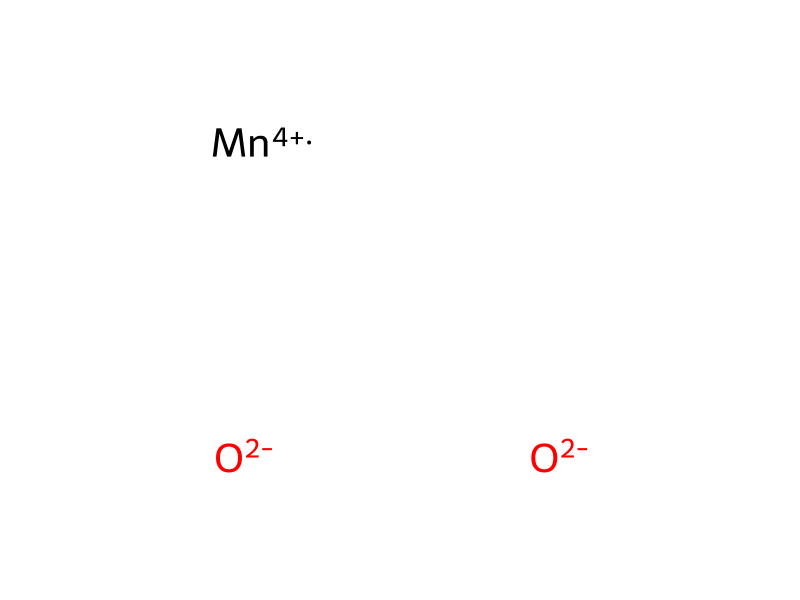
[CH:1](=O)[C:2]1[CH:7]=[CH:6][CH:5]=[CH:4][CH:3]=1.[CH2:9]1[S:15][C:13](=[O:14])[NH:12][C:10]1=[O:11]>[O-2].[O-2].[Mn+4]>[CH:1](=[C:9]1[S:15][C:13](=[O:14])[NH:12][C:10]1=[O:11])[C:2]1[CH:7]=[CH:6][CH:5]=[CH:4][CH:3]=1Participants
Reactant 2

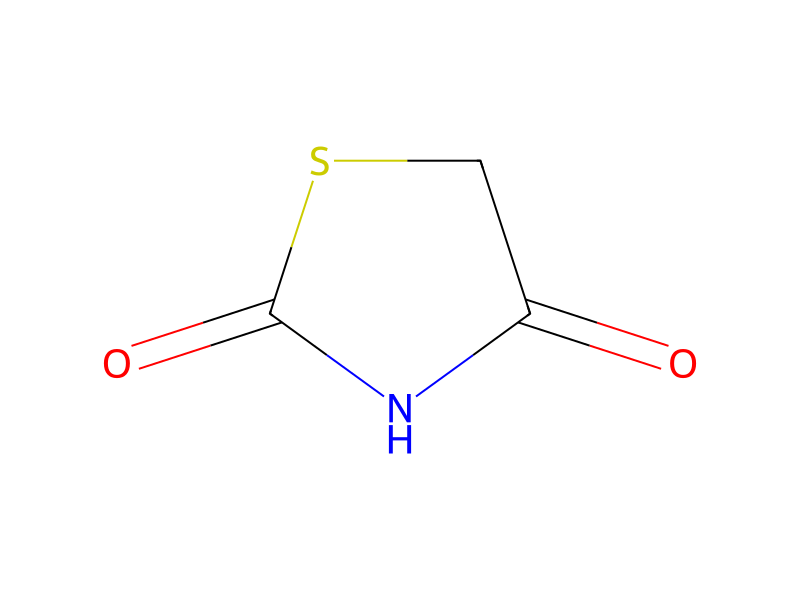
Product 1

Reagents, catalysts & solvents 1
Procedure
The sulfonamide derivatives 2-5 and 2-6 are prepared as depicted in Scheme 2. The bis-aryl iodonium tetrafluoroborate 2-1 is coupled with 4-hydroxybenzoate 1-2 at room temperature in dichloromethane in the presence of copper bronze and a suitable base such as triethylamine (TEA) to afford diaryl ether 2-2. Reduction of ether 2-2 with DIBAL furnishes the corresponding alcohol which is oxidized to benzaldehyde 2-3 with manganese dioxide. Condensation of aldehyde 2-3 with thiazolidinedione produces an intermediate benzylidene thiazolidinedione which is hydrogenated to furnish benzyl thiazolidinedione 2-4. A subsequent chlorosulfonylation reaction yields a 3′-sulfonyl chloride which is then reacted with a primary or secondary amine to afford 3′-sulfonylamide 2-5. Demethylation of 2-5 with boron tribromide gives hydroxysulfonamide 2-6.
Sources & evidence
- ORD record
- ord-c0f5eb04d20b4b3c8140385bed369ea8
- Source dataset
- uspto-grants-2003_09
- Patent number
- US06620830B2
Reaction notes
Loading…