Sodium Hydroxide → 4-Chloromethyl-5-isopropyl-2-(3-methoxyphenyl)oxazole
Reaction equation

CS([Cl:5])(=O)=O.[CH:6]([C:9]1[O:13][C:12]([C:14]2[CH:19]=[CH:18][CH:17]=[C:16]([O:20][CH3:21])[CH:15]=2)=[N+:11]([O-])[C:10]=1[CH3:23])([CH3:8])[CH3:7].COC(C)(C)C.[OH-].[Na+]>ClCCl.O>[Cl:5][CH2:23][C:10]1[N:11]=[C:12]([C:14]2[CH:19]=[CH:18][CH:17]=[C:16]([O:20][CH3:21])[CH:15]=2)[O:13][C:9]=1[CH:6]([CH3:8])[CH3:7]Participants
7
Reactant 4

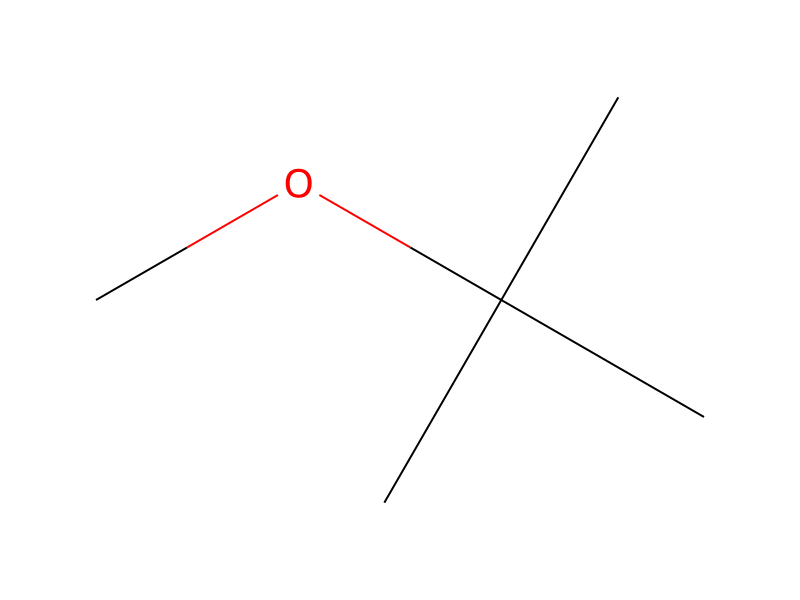


Product 1

Reagents, catalysts & solvents 2


Conditions
- Temperature
- 42.5 °C
Procedure
75 g (648 mmol) of methanesulfonyl chloride were added at a temperature of 20° C. to a solution of 135 g (435 mmol) of 5-isopropyl-2-(3-methoxyphenyl)-4-methyloxazole 3-oxide in 500 ml of dichloromethane. The reaction was stirred at 40-45° C. up to full conversion. 500 ml of tert-butyl methyl ether and 300 ml of water were added. Addition of 20% sodium hydroxide solution established a pH of 8. After phase separation, the organic phase was washed with 3×200 ml of water. The organic phase was concentrated fully under reduced pressure.
Workup
- customAfter phase separation
- washthe organic phase was washed with 3×200 ml of water
- concentrationThe organic phase was concentrated fully under reduced pressure
Sources & evidence
- ORD record
- ord-321076850fc44801871ef59aef95eb42
- Source dataset
- uspto-grants-2010_11
- Patent number
- US07825144B2
Reaction notes
Loading…