2-Chloro-5-nitroquinoline → N5-(1H-Indol-4-ylmethyl)-N2-(2-trifluoromethoxy-benzyl)-quinoline-2,5-diamine
Reaction equation

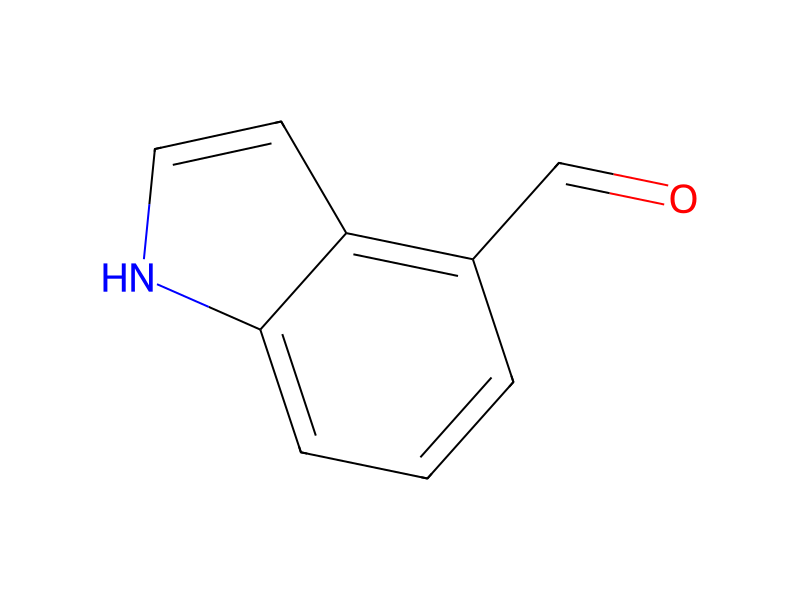
[N+:1]([C:4]1[CH:13]=[CH:12][CH:11]=[C:10]2[C:5]=1[CH:6]=[CH:7][C:8](Cl)=[N:9]2)([O-])=O.[F:15][C:16]([F:27])([F:26])[O:17][C:18]1[CH:25]=[CH:24][CH:23]=[CH:22][C:19]=1[CH2:20][NH2:21].[CH:28]([C:30]1[CH:38]=[CH:37][CH:36]=[C:35]2[C:31]=1[CH:32]=[CH:33][NH:34]2)=O>>[NH:34]1[C:35]2[C:31](=[C:30]([CH2:28][NH:1][C:4]3[C:5]4[CH:6]=[CH:7][C:8]([NH:21][CH2:20][C:19]5[CH:22]=[CH:23][CH:24]=[CH:25][C:18]=5[O:17][C:16]([F:26])([F:27])[F:15])=[N:9][C:10]=4[CH:11]=[CH:12][CH:13]=3)[CH:38]=[CH:37][CH:36]=2)[CH:32]=[CH:33]1Participants
4



Procedure
The title compound, MS: m/e=463.0 (M+H+), was prepared from 5-nitro-2-chloroquinoline, 2-(trifluoromethoxy)benzylamine and 4-formylindole as described in example 26.
Sources & evidence
- ORD record
- ord-cd302df24b624d31933c0d4f95840fac
- Source dataset
- uspto-grants-2010_11
- Patent number
- US07825253B2
Reaction notes
Loading…