Acetic Acid → 2-Isopropylthiazole-4-carbaldehyde
Reaction equation

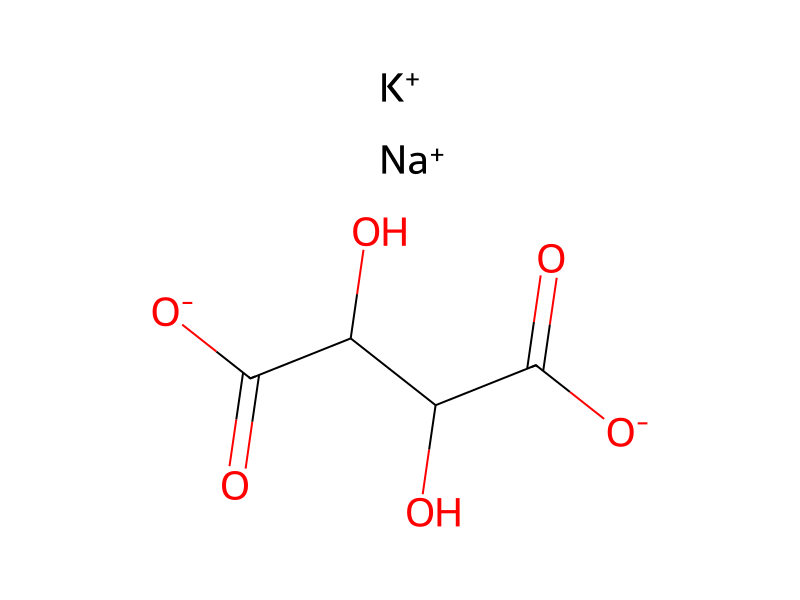
[CH:1]([C:4]1[S:5][CH:6]=[C:7]([C:9](OCC)=[O:10])[N:8]=1)([CH3:3])[CH3:2].CC(C[AlH]CC(C)C)C.C(O)(=O)C.C(C(C(C([O-])=O)O)O)([O-])=O.[K+].[Na+]>ClCCl>[CH:1]([C:4]1[S:5][CH:6]=[C:7]([CH:9]=[O:10])[N:8]=1)([CH3:3])[CH3:2]Participants
6





Conditions
- Temperature
- -78 °C
Procedure
A solution containing the product from Example 56B (18 g, 90.5 mmol) in dichloromethane (100 mL) was treated with DIBAL (150 mL, 1 M in dichloromethane) dropwise at −78° C. over 2 hours, stirred at −78° C. for 2 hours, treated with acetic acid (10 mL), warmed to 25° C., treated with 10% solution of aqueous sodium potassium tartrate, stirred vigorously for 1 hour, and partitioned between dichloromethane and water. The organic phase was washed with brine and dried over MgSO4, filtered and concentrated. The residue was chromatographed on silica gel eluting 0-5% ethyl acetate in dichloromethane to give the title compound (5.24 g, 40% yield).
Workup
- temperaturewarmed to 25° C.
- stirringstirred vigorously for 1 hour
- custompartitioned between dichloromethane and water
- washThe organic phase was washed with brine
- dry with materialdried over MgSO4
- filtrationfiltered
- concentrationconcentrated
- customThe residue was chromatographed on silica gel eluting 0-5% ethyl acetate in dichloromethane
Sources & evidence
- ORD record
- ord-34bbb629f01f4851b209fc28f07dd8d8
- Source dataset
- uspto-grants-2010_11
- Patent number
- US07834043B2
Reaction notes
Loading…