Ammonium Chloride → HCID 10429705, compound
Reaction equation

C[Al](C)C.[Cl-].[NH4+:6].C[O:8][C:9]([C:11]1[C:12]([S:23][CH2:24][C:25]2[CH:30]=[CH:29][C:28]([Cl:31])=[CH:27][CH:26]=2)=[N:13][S:14][C:15]=1[NH:16][C:17]1[N:22]=[CH:21][CH:20]=[CH:19][N:18]=1)=O>>[Cl:31][C:28]1[CH:29]=[CH:30][C:25]([CH2:24][S:23][C:12]2[C:11]([C:9]([NH2:6])=[O:8])=[C:15]([NH:16][C:17]3[N:22]=[CH:21][CH:20]=[CH:19][N:18]=3)[S:14][N:13]=2)=[CH:26][CH:27]=1Participants

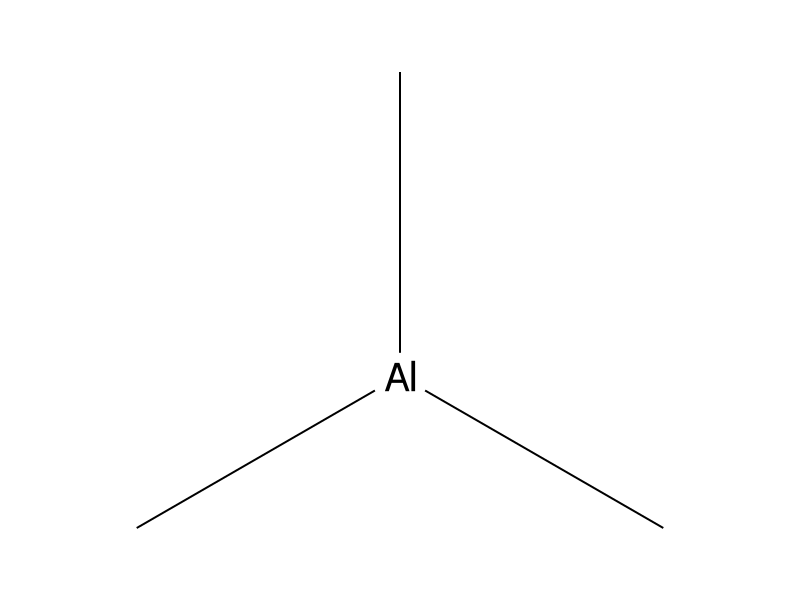


Conditions
- Temperature
- 80 °C
Procedure
Trimethyl aluminum (2M/toluene, 2.55 mL, 5.1 mmol) is added to a dry flask containing ammonium chloride (272.3 mg, 5.1 mmol). The solution is then allowed to stir for 30 min and is added to a dry flask containing compound 21 (100 mg, 0.26 mmol). The reaction is then heated to 80° C. for 4 hours and then cooled to room temperature. The reaction is then carefully quenched with 1 N HCl and extracted with EtOAc (×3). The combined organics are dried over sodium sulfate, filtered and concentrated in vacuo. Column chromatography (20%→50% EtOAc/methylene chloride) provides 3-(4-Chloro-benzylsulfanyl)-5-(pyrimidin-2-ylamino)-isothiazole-4-carboxylic acid amide (16.2 mg, 17%) in addition to the starting material 21 (36.6 mg). 1H NMR (d6 DMSO): δ 11.61 (1H, br. s), 8.73 (2H, d, J=5.0 Hz), 7.43 (2H, d, J=8.4 Hz), 7.34 (2H, d, J=8.4 Hz), 7.15 (1H, dd, J=5.0, 5.0 Hz), 4.46 (2H, s). LRMS (M+): 378.1, (M−): 376.0.
Workup
- additionis added to a dry flask
- temperaturecooled to room temperature
- customThe reaction is then carefully quenched with 1 N HCl
- extractionextracted with EtOAc (×3)
- dry with materialThe combined organics are dried over sodium sulfate
- filtrationfiltered
- concentrationconcentrated in vacuo
Sources & evidence
- ORD record
- ord-d31ec06b16f948999629e63229afbc26
- Source dataset
- uspto-grants-2007_10
- Patent number
- US07276602B2
Reaction notes
Loading…