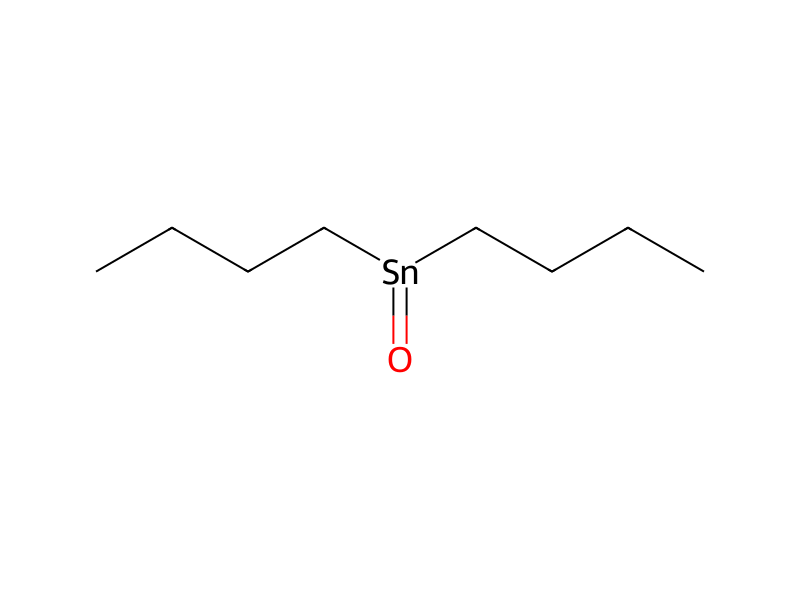
Dibutyltin oxide → HCID 178492208, compound
Reaction equation

[NH2:1][C:2]1[N:6]([C:7]2[CH:14]=[CH:13][C:10]([C:11]#[N:12])=[CH:9][CH:8]=2)[N:5]=[C:4]([NH:15][C:16]2[CH:21]=[CH:20][C:19]([O:22][CH3:23])=[CH:18][C:17]=2[O:24][CH3:25])[N:3]=1.C[Si]([N:30]=[N+:31]=[N-:32])(C)C.C([Sn](=O)CCCC)CCC>C1(C)C=CC=CC=1>[CH3:25][O:24][C:17]1[CH:18]=[C:19]([O:22][CH3:23])[CH:20]=[CH:21][C:16]=1[NH:15][C:4]1[N:3]=[C:2]([NH2:1])[N:6]([C:7]2[CH:8]=[CH:9][C:10]([C:11]3[NH:32][N:31]=[N:30][N:12]=3)=[CH:13][CH:14]=2)[N:5]=1Participants
5
Reactant 3

Product 1

Reagents, catalysts & solvents 1

Conditions
- Temperature
- 110 °C
Procedure
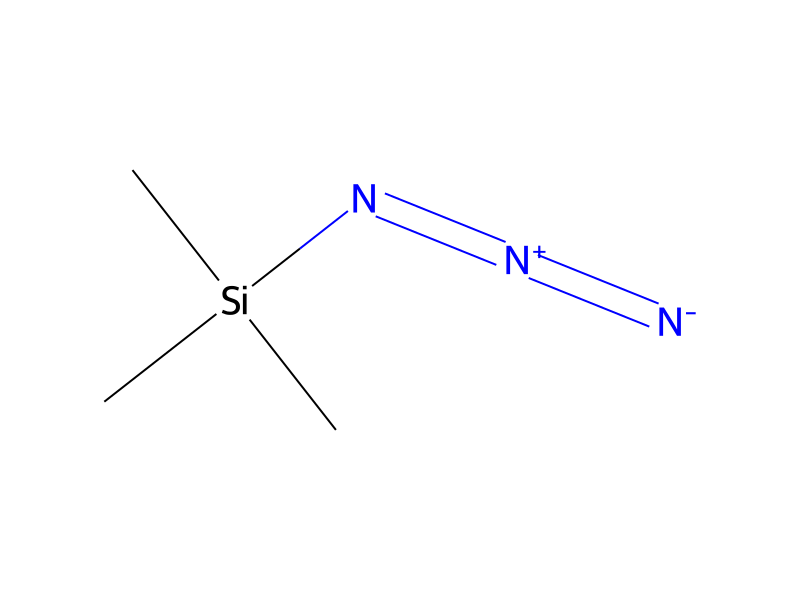
4-[5-Amino-3-(2,4-dimethoxy-phenylamino)-[1,2,4]triazol-1-yl]-benzonitrile (52 mg, 0.15 mmol) and trimethylsilyl azide (20 mg, 0.165 mol) were suspended in 1 mL toluene with a catalytic amount of di-butyltin oxide and heated to 110° C. for 18 hours. The toluene was evaporated and the residue purified by preparative HPLC affording 13 mg product as the TFA salt.
Workup
- customThe toluene was evaporated
- customthe residue purified by preparative HPLC
Sources & evidence
- ORD record
- ord-fd4616993e8f4acaa90bd2f3e56f183a
- Source dataset
- uspto-grants-2007_10
- Patent number
- US07279469B2
Reaction notes
Loading…