Carbamic acid, ethyl ester → Toluene 2,4-Diisocyanate
Reaction equation

[NH2:1][C:2]([O:4]CC)=[O:3].[N-:7]=[C:8]=[O:9].[C:10]1([CH3:16])[CH:15]=[CH:14][CH:13]=[CH:12][CH:11]=1.C(C(C)=O)C>>[CH2:14]([N:1]=[C:2]=[O:4])[CH2:15][CH2:10][CH2:11][CH2:12][CH2:13][N:7]=[C:8]=[O:9].[CH3:16][C:10]1[C:15](=[CH:14][C:13](=[CH:12][CH:11]=1)[N:1]=[C:2]=[O:3])[N:7]=[C:8]=[O:9]Participants

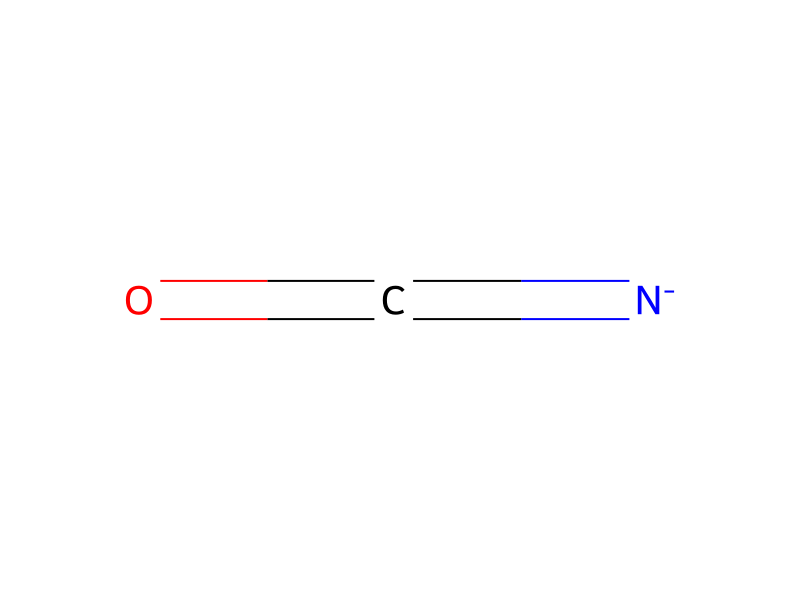

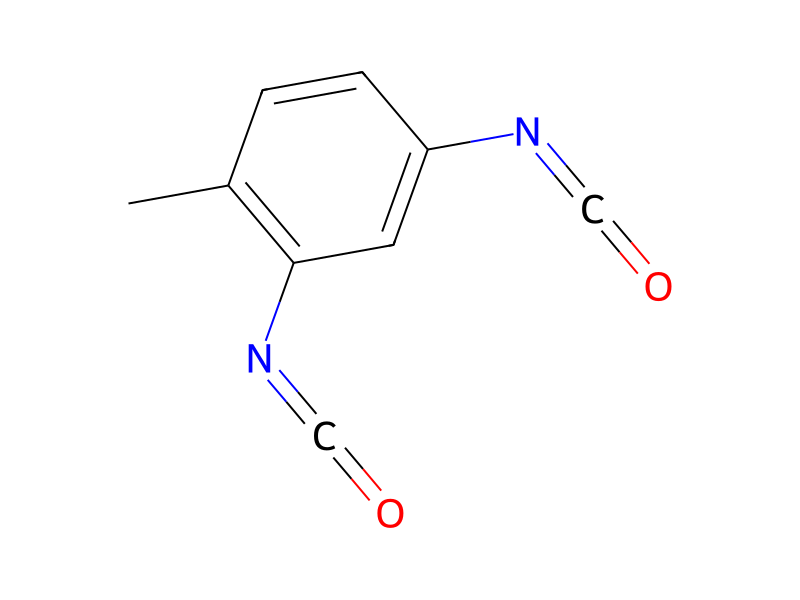

Conditions
- Temperature
- 80 °C
Procedure
As the adhesive layer, a polyester-urethane adhesive was used and a composition for an adhesive layer was prepared as follows. That is, a polyester resin (80 parts by weight, VYLON RV-200) manufactured by Toyo Boseki Kabushiki Kaisha was dissolved in a mixed solvent (1940 parts by weight) of toluene/methyl ethyl ketone=80/20 (weight ratio) while heating at 80° C. After cooling, DESMODUER HL (20 parts by weight, manufactured by Sumitomo Bayer Urethane) which is isocyanulate polyhydric isocyanate obtained from hexamethylene diisocyanate and toluene diisocyanate as starting materials, was added as isocyanulate polyhydric isocyanate, and triethylene diamine (0.06 part by weight) was added as a curing catalyst, and the mixture was stirred for 10 min.
Workup
- customa composition for an adhesive layer was prepared
- temperatureAfter cooling
Sources & evidence
- ORD record
- ord-8659fbfd7f1f433a9d32e19c4317adcd
- Source dataset
- uspto-grants-2007_10
- Patent number
- US07282256B2
Reaction notes
Loading…