Acetic Acid → 4-Chlorobenzoic Acid
Reaction equation

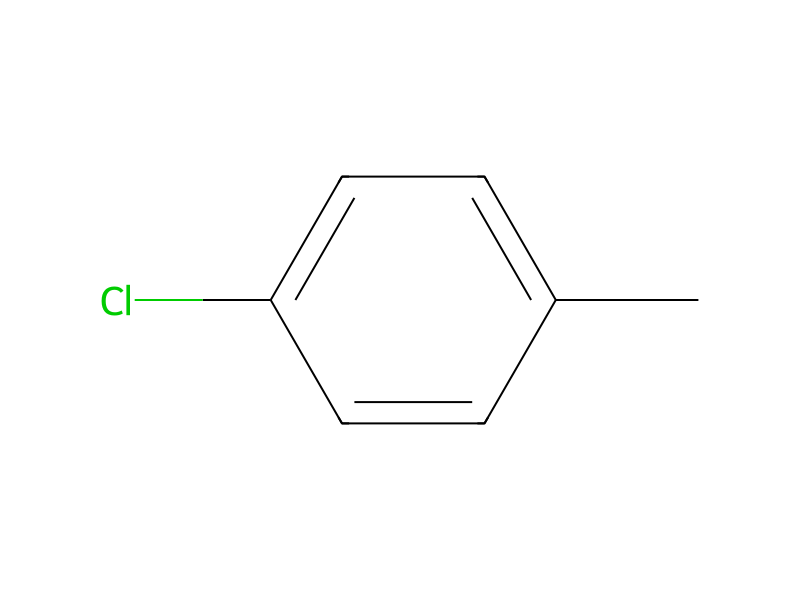
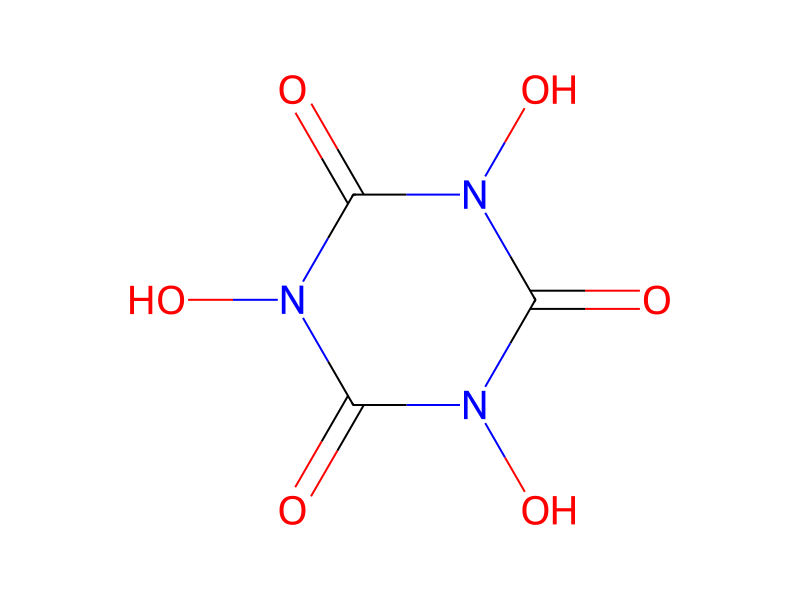
[Cl:1][C:2]1[CH:7]=[CH:6][C:5]([CH3:8])=[CH:4][CH:3]=1.ON1C(=O)N(O)C(=O)N(O)C1=O.[C:21]([OH:24])(=[O:23])[CH3:22].O=O>C([O-])(=O)C.[Co+2].C([O-])(=O)C.O>[Cl:1][C:2]1[CH:7]=[CH:6][C:22]([C:21]([OH:24])=[O:23])=[CH:4][CH:3]=1.[Cl:1][C:2]1[CH:7]=[CH:6][C:5]([CH3:8])=[CH:4][CH:3]=1Participants
8





Procedure
A mixture of 0.380 g of 4-chlorotoluene, 0.027 g of hexahydro-1,3,5-trihydroxy-1,3,5-triazine-2,4,6-trione (5% by mole relative to 4-chlorotoluene), 5 g of acetic acid and 0.004 g of cobalt(II) acetate.4 H2O was stirred at 100° C. in an atmosphere of oxygene gas (1 atm=0.1 MPa) for 14 hours. The resulting product in the reaction mixture was analyzed by gas chromatography and was found to yield 4-chlorobenzoic acid in 99% yield at 100% conversion of 4-chlorotoluene.
Sources & evidence
- ORD record
- ord-4267d276d7ac4161bd5fa3d337e82f18
- Source dataset
- uspto-grants-2007_10
- Patent number
- US07288649B2
Reaction notes
Loading…