Water → 7-bromo-9-fluoro-1H-pyrimido[5,4-b]indole-2,4(3H,5H)-dione
Reaction equation

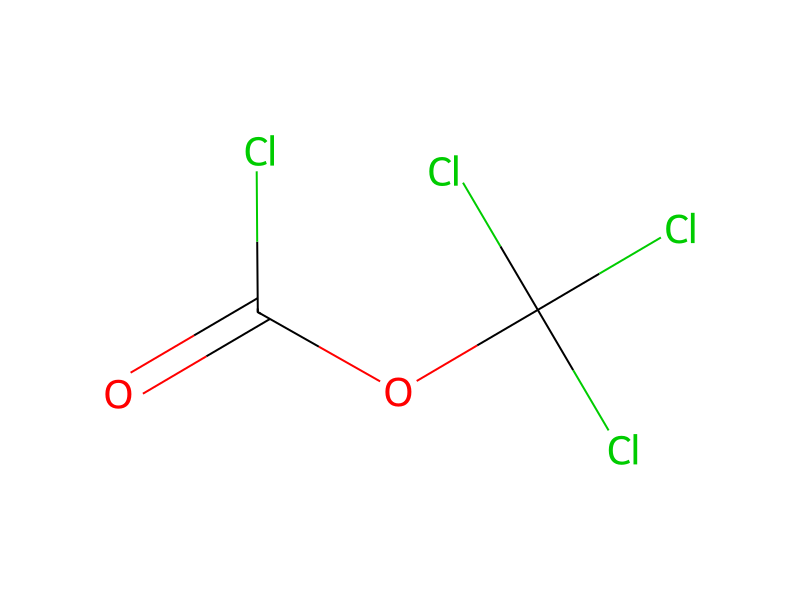
[NH2:1][C:2]1[C:10]2[C:5](=[CH:6][C:7]([Br:12])=[CH:8][C:9]=2[F:11])[NH:4][C:3]=1[C:13]([NH2:15])=[O:14].[O:16]=[C:17](Cl)OC(Cl)(Cl)Cl.O>O1CCOCC1>[Br:12][C:7]1[CH:8]=[C:9]([F:11])[C:10]2[C:2]3[NH:1][C:17](=[O:16])[NH:15][C:13](=[O:14])[C:3]=3[NH:4][C:5]=2[CH:6]=1Participants
5




Procedure
15.4 g (56.6 mmol) 3-amino-6-bromo-4-fluoro-1H-indole-2-carboxylic acid amide was suspended in 300 ml dioxan and after the addition of 7.5 ml (61.8 mmol) diphosgene the suspension was refluxed for 2 h. Having cooled down to room temperature, 20 ml water was carefully added and the precipitate was subsequently sucked off. 12.5 g (74%) 7-bromo-9-fluoro-1H-pyrimido[5,4-b]indole-2,4(3H,5H)-dione was obtained. ESI-MS [m/z]: 296, 298 [M−H]−
Workup
- temperaturewas refluxed for 2 h
Sources & evidence
- ORD record
- ord-443644189792448f8408bb58693d8b68
- Source dataset
- uspto-grants-2014_03
- Patent number
- US08664233B2
Reaction notes
Loading…