Potassium Carbonate → 2-chloro-N-(3-chloroquinoxalin-2-yl)benzenesulfonamide
Reaction equation

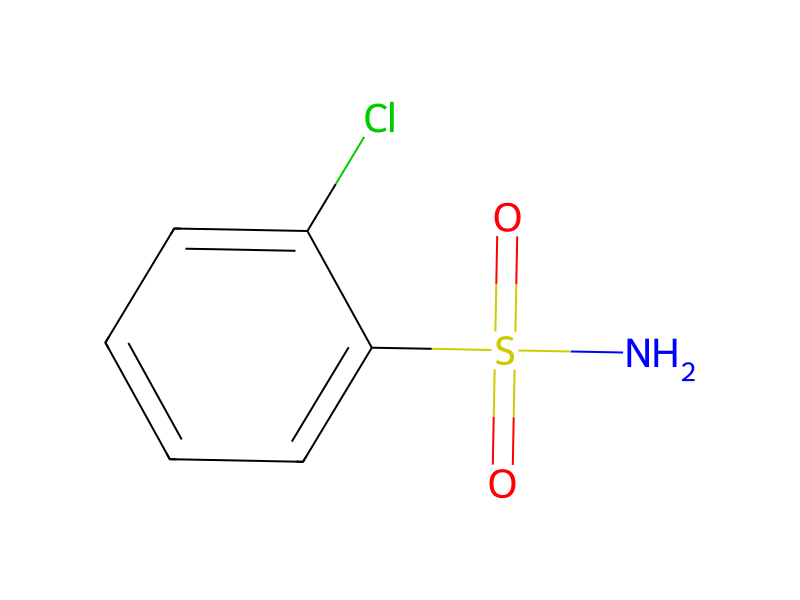
Cl[C:2]1[C:11]([Cl:12])=[N:10][C:9]2[C:4](=[CH:5][CH:6]=[CH:7][CH:8]=2)[N:3]=1.[Cl:13][C:14]1[CH:19]=[CH:18][CH:17]=[CH:16][C:15]=1[S:20]([NH2:23])(=[O:22])=[O:21].C(=O)([O-])[O-].[K+].[K+]>CS(C)=O>[Cl:13][C:14]1[CH:19]=[CH:18][CH:17]=[CH:16][C:15]=1[S:20]([NH:23][C:2]1[C:11]([Cl:12])=[N:10][C:9]2[C:4](=[CH:5][CH:6]=[CH:7][CH:8]=2)[N:3]=1)(=[O:22])=[O:21]Participants
5




Procedure
According to the step of Example 6-1, by use of 2,3-dichloroquinoxaline (5.00 g, 25.1 mmol) dissolved in dimethyl sulfoxide (100 mL), 2-chlorobenzene-1-sulfonamide (4.81 g, 25.1 mmol) and potassium carbonate (3.47 g, 25.1 mmol), the mixture was stirred and reacted at 150° C. for 3 hours. Then, slurry purification was performed using diisopropyl ether, to give 2-chloro-N-(3-chloroquinoxalin-2-yl)benzenesulfonamide (Compound AD) (8.30 g, yield: 93%).
Workup
- customreacted at 150° C. for 3 hours
- customThen, slurry purification
Sources & evidence
- ORD record
- ord-85d6303dbb9b4caebe8bebef1ccc579e
- Source dataset
- uspto-grants-2014_03
- Patent number
- US08673908B2
Reaction notes
Loading…