1-Bromo-3-chloropropane → 1-(3-Chloropropoxy)-4-methoxybenzene
Reaction equation

[OH-:1].[Na+].[Cl:3][CH2:4][CH2:5][CH2:6]Br.[CH3:8][CH2:9][CH2:10][CH2:11][CH2:12][CH3:13].C(Cl)Cl.[CH3:17][OH:18]>O.COC1C=CC(O)=CC=1.O1CCOCC1>[Cl:3][CH2:4][CH2:5][CH2:6][O:1][C:10]1[CH:9]=[CH:8][C:13]([O:18][CH3:17])=[CH:12][CH:11]=1Participants





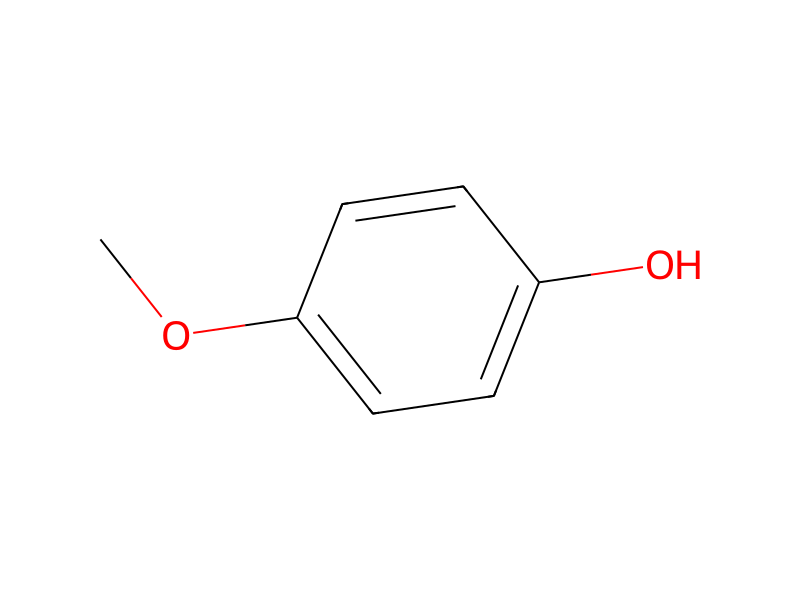

Conditions
- Temperature
- 80 °C
Procedure
A solution of sodium hydroxide 20.0 g (0.5 mole in 300 ml of water and p-methoxyphenol, 62.1 g (0.5 mole) in 300 ml of dioxane was stirred for 1 hour at room temperature. 1-Chloro-3-bromopropane (472.35 g, 3.0 mole) in 100 ml of dioxane was added, and the reaction mixture was stirred overnight at 80° C. The lower layer was separated and the aqueous layer extracted with hexane. The lower layer and hexane layer were combined, dried, and solvent was removed in vacuo. The residue was dissolved in chloroform and extracted with 5% sodium hydroxide; removal of chloroform by evaporation gave a yellow oil. A 10 g sample of the oil was subjected to column chromatography on silica gel with an elution series composed of hexane-methylene chloride-methanol. This furnished 9.64 g (79.3% based on the aliquot taken) of pure clear oil.
Workup
- customThe lower layer was separated
- extractionthe aqueous layer extracted with hexane
- customdried
- customsolvent was removed in vacuo
- dissolutionThe residue was dissolved in chloroform
- extractionextracted with 5% sodium hydroxide
- customremoval of chloroform
- customby evaporation
- customgave a yellow oil
Sources & evidence
- ORD record
- ord-42ad821d2cc9498ea76264fe60809c40
- Source dataset
- uspto-grants-1989_03
- Patent number
- US04810713
Reaction notes
Loading…