Citraconic Anhydrides → HCID 54131587, compound
Reaction equation

[Cl-].[Al+3].[Cl-].[Cl-].[C:5]1([N:11]2[CH2:15][CH2:14][CH2:13][C:12]2=[O:16])[CH:10]=[CH:9][CH:8]=[CH:7][CH:6]=1.[CH3:17][C:18]1[C:19]([O:21][C:22](=[O:24])[CH:23]=1)=[O:20]>C(=S)=S>[O:16]=[C:12]1[CH2:13][CH2:14][CH2:15][N:11]1[C:5]1[CH:6]=[CH:7][CH:8]=[CH:9][C:10]=1[C:19](=[O:20])[C:18]([CH3:17])=[CH:23][C:22]([OH:24])=[O:21]Participants
Reactant 3
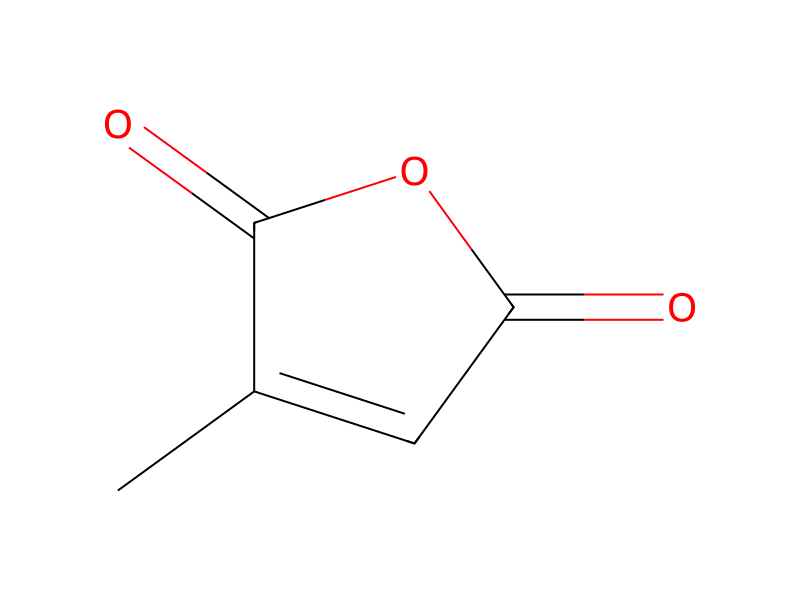


Product 1

Reagents, catalysts & solvents 1

Procedure
66.7 g (0.5 mole) of anhydrous aluminum chloride are suspended in 150 ml of carbon disulphide. 32.2 g (0.2 mole) of N-phenyl-pyrrolidin-2-one and 22.4 g (0.2 mole) of methylmaleic anhydride are added, while stirring and cooling. The mixture is heated under reflux until a viscous mass is formed, and this is left to stand at room temperature for 40 hours, the solvent is decanted off and the mixture is decomposed carefully with icewater and concentrated aqueous hydrochloric acid and extracted with methylene cchloride or ethyl acetate. The organic phase is extracted with dilute sodium hydroxide solution, the aqueous phase is clarified by filtration, acidified with acetic acid and extracted and the extract is concentrated. The resulting oil is further reacted directly.
Workup
- temperaturecooling
- temperatureThe mixture is heated
- temperatureunder reflux until a viscous mass
- customis formed
- waitthis is left
- customthe solvent is decanted off
- extractionextracted with methylene cchloride or ethyl acetate
- extractionThe organic phase is extracted with dilute sodium hydroxide solution
- filtrationthe aqueous phase is clarified by filtration
- extractionextracted
- concentrationthe extract is concentrated
- customThe resulting oil is further reacted directly
Sources & evidence
- ORD record
- ord-5d2fb6b8ca1046f4822aa4f0e0d23dbb
- Source dataset
- uspto-grants-1989_03
- Patent number
- US04816454
Reaction notes
Loading…