Hydrochloric Acid → 4-Bromo-5-isoquinolinesulfonyl chloride
Reaction equation

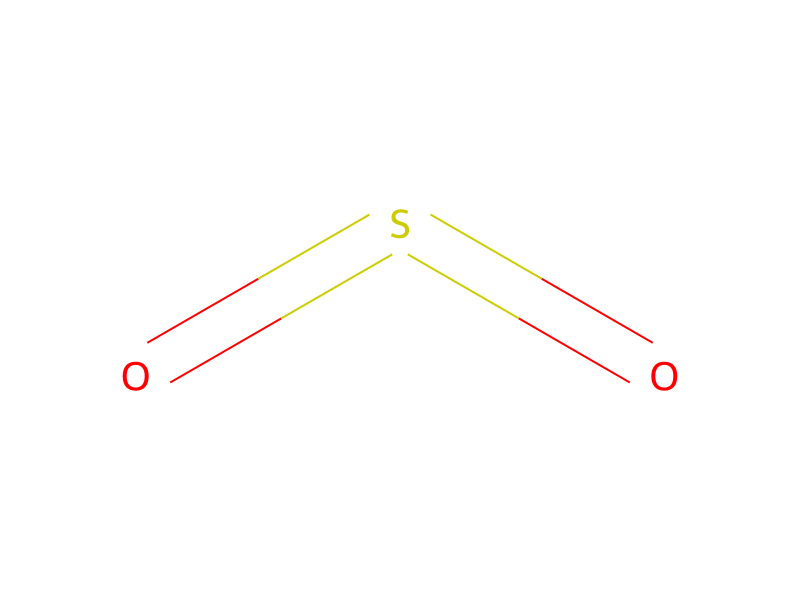
N[C:2]1[CH:11]=[CH:10][CH:9]=[C:8]2[C:3]=1[C:4]([Br:12])=[CH:5][N:6]=[CH:7]2.N([O-])=O.[Na+].[S:17](=[O:19])=[O:18].[ClH:20]>O.C(O)(=O)C>[Br:12][C:4]1[C:3]2[C:2]([S:17]([Cl:20])(=[O:19])=[O:18])=[CH:11][CH:10]=[CH:9][C:8]=2[CH:7]=[N:6][CH:5]=1Participants






Conditions
- Temperature
- 0 °C
Procedure
4-Bromo-5-isoquinolinesulphonyl chloride may be obtained in the following manner: a solution of 5-amino-4-bromoisoquinoline (4.46 g) in hydrochloric acid (d=1.19) (44 cc) is cooled to -5° C. and then treated with a solution of sodium nitrite (1.93 g) in water (10 cc). The reaction mixture is stirred for 1 hour at 0° C. The solution obtained is poured into a saturated solution of sulphur dioxide in acetic acid (48 cc) to which a solution of cuprous chloride (0.65 g) in water (5.6 cc) has been added. The reaction mixture is stirred until the gaseous evolution has ceased and is then extracted with dichloromethane (2×100 cc). The organic phases are combined, washed with water, dried over magnesium sulphate and concentrated. 4-Bromo-5-isoquinolinesulphonyl chloride (5.6 g) is obtained in the form of a yellow solid, which is used without further treatment in the subsequent syntheses.
Workup
- customThe solution obtained
- additionhas been added
- stirringThe reaction mixture is stirred until the gaseous evolution
- extractionis then extracted with dichloromethane (2×100 cc)
- washwashed with water
- dry with materialdried over magnesium sulphate
- concentrationconcentrated
Sources & evidence
- ORD record
- ord-a50ce6db70e543e285dd7a7c29dfb4e9
- Source dataset
- uspto-grants-1992_05
- Patent number
- US05114949
Reaction notes
Loading…