Pyridine → HCID 13961199, compound
Reaction equation

[NH2:1][C:2]1[CH:7]=[CH:6][C:5]([CH2:8][C:9]([O:11][CH2:12][CH3:13])=[O:10])=[CH:4][C:3]=1[C:14](=[O:22])[C:15]1[CH:20]=[CH:19][CH:18]=[CH:17][C:16]=1[Cl:21].N1C=CC=CC=1.[Br:29][CH2:30][C:31](Br)=[O:32]>O1CCOCC1>[Br:29][CH2:30][C:31]([NH:1][C:2]1[CH:7]=[CH:6][C:5]([CH2:8][C:9]([O:11][CH2:12][CH3:13])=[O:10])=[CH:4][C:3]=1[C:14](=[O:22])[C:15]1[CH:20]=[CH:19][CH:18]=[CH:17][C:16]=1[Cl:21])=[O:32]Participants
5
Reactant 3

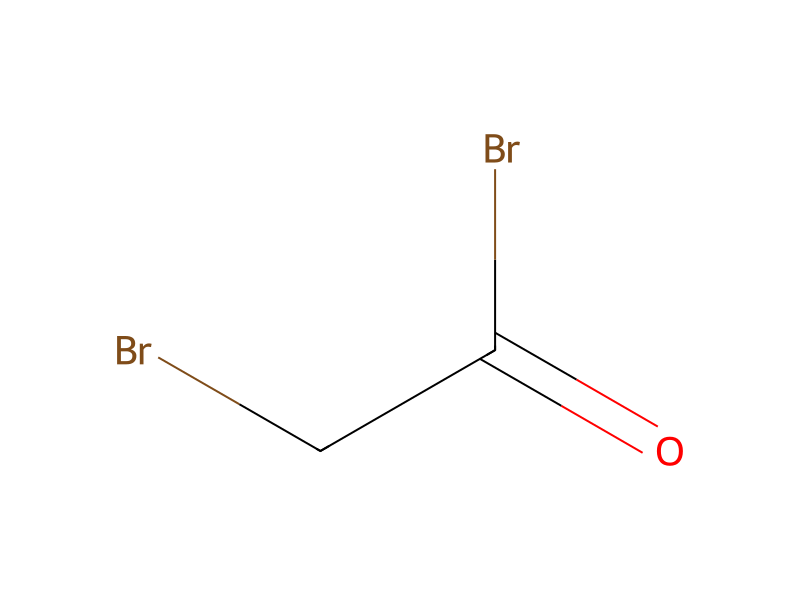

Product 1

Reagents, catalysts & solvents 1

Procedure
20.9 g (0.66 mol) of ethyl 4-amino-3-(2-chlorobenzoyl)-phenylacetate are dissolved in 170 ml of anhydrous dioxane. First 5.2 ml of absolute pyridine are added and then 13.3 g (0.066 mol) of bromoacetylbromide are added dropwise at room temperature and the mixture is stirred for 24 hours. The suspension is filtered through Kieselgur. The Kieselgur is washed with ether, and the combined filtrates are concentrated in vacuo. The resulting residue is induced to crystallise by addition of ethanol.
Workup
- filtrationThe suspension is filtered through Kieselgur
- washThe Kieselgur is washed with ether
- concentrationthe combined filtrates are concentrated in vacuo
- customto crystallise by addition of ethanol
Sources & evidence
- ORD record
- ord-e1db2ca806d6460a88d9876bbab13ed4
- Source dataset
- uspto-grants-1992_05
- Patent number
- US05116971
Reaction notes
Loading…