Hydrochloric Acid → 4-Dodecyl-2-nitrobenzenediazonium chloride
Reaction equation

[CH2:1]([C:13]1[CH:19]=[CH:18][C:16]([NH2:17])=[C:15]([N+:20]([O-:22])=[O:21])[CH:14]=1)[CH2:2][CH2:3][CH2:4][CH2:5][CH2:6][CH2:7][CH2:8][CH2:9][CH2:10][CH2:11][CH3:12].C(O)(=O)CC.[ClH:28].[N:29]([O-])=O.[Na+].N(O)=O>O.C(O)(=O)C>[Cl-:28].[CH2:1]([C:13]1[CH:19]=[CH:18][C:16]([N+:17]#[N:29])=[C:15]([N+:20]([O-:22])=[O:21])[CH:14]=1)[CH2:2][CH2:3][CH2:4][CH2:5][CH2:6][CH2:7][CH2:8][CH2:9][CH2:10][CH2:11][CH3:12]Participants
8

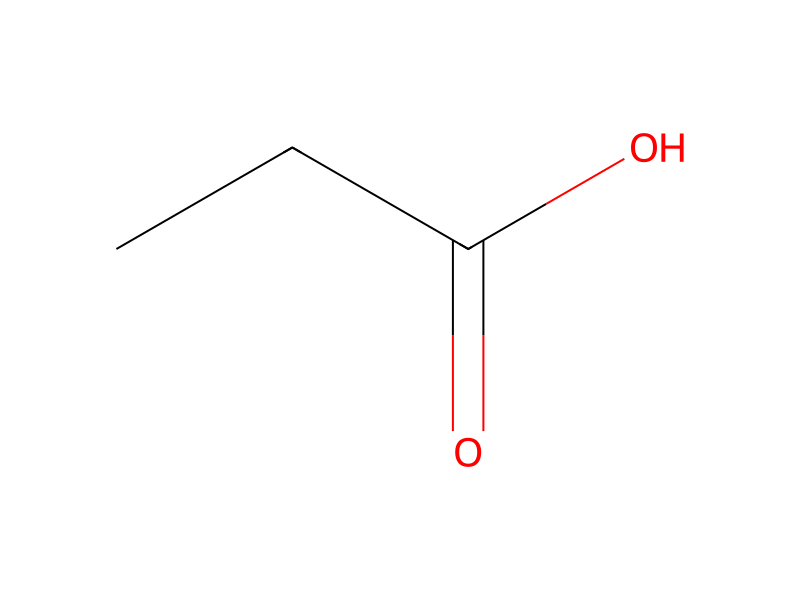






Conditions
- Temperature
- 0 °C
Procedure
4-Dodecyl-2-nitroaniline (61.20 g; 20 mol) was stirred with glacial acetic acid (200 ml) and propionic acid (200 ml) containing concentrated hydrochloric acid SGl.18 (100 ml) at 70° C. The amber solution was cooled to 0° C. and a solution of sodium nitrite (14.00 g; 0.203 mol) in water (100 ml) was added dropwise over 1 hour at 0° C. After stirring for 2 hours at 0° C. the excess nitrous acid was destroyed by the addition of 10% sulphamic acid to give an orange mixture.
Workup
- customat 70° C
- customwas destroyed by the addition of 10% sulphamic acid
- customto give an orange mixture
Sources & evidence
- ORD record
- ord-dcf335bc16bb489e90f35fe56aa1390e
- Source dataset
- uspto-grants-1994_01
- Patent number
- US05275924
Reaction notes
Loading…