Hydrochloric Acid → Carbonic acid, compound with phenylguanidine (1:1)
Reaction equation

Cl.[NH2:2][C:3]1[CH:8]=[CH:7][CH:6]=[CH:5][CH:4]=1.[N:9]#[C:10][NH2:11].[C:12](=[O:15])([O-:14])[O-:13].[Na+].[Na+]>O>[C:12](=[O:13])([OH:15])[OH:14].[C:3]1([NH:2][C:10]([NH2:11])=[NH:9])[CH:8]=[CH:7][CH:6]=[CH:5][CH:4]=1Participants
Reactant 4


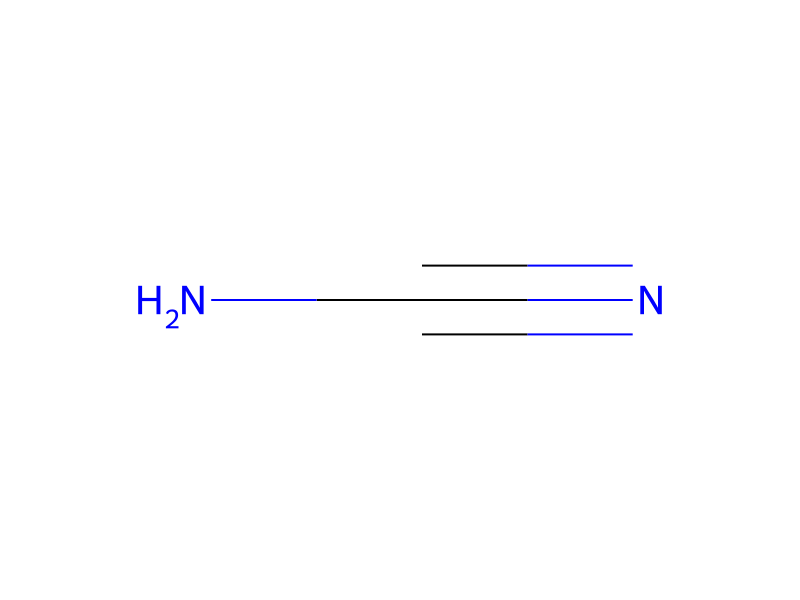

Product 1

Reagents, catalysts & solvents 1

Conditions
- Temperature
- 85 °C
Procedure
88.5 g (0.78 mol) aqueous HCl (32% by weight) are added to 93.1 g aniline (1.0 mol) until the pH value reaches 2.0. Over the course of 1 hour, 92.4 g (1.1 mol) of a 50% aqueous cyanamide solution are run into the reaction mixture at 85° C. Towards the end of the cyanamide addition, a further 22.1 g (0.19 mol) aqueous HCl (32%) are added, which returns the pH to 2.4 to 2.7. After stirring for 2 hours at 85° C., the mixture is allowed to cool to 60° C. and a solution of 63.6 g (0.6 mol) sodium carbonate in 170 ml water is added over a 30 minute period. The crystalline precipitate is filtered after cooling to 5° C. 163 g phenylguanidine carbonate are produced, containing 76.7% phenylguanidine free base, which corresponds to a 92.7% yield based on aniline. The melting point (decomposition) is 147° to 150° C.
Workup
- customare run into the reaction mixture at 85° C
- temperatureto cool to 60° C.
- filtrationThe crystalline precipitate is filtered
- temperatureafter cooling to 5° C
Sources & evidence
- ORD record
- ord-be75fe1d78cc4efbbfa7d6f5b517100e
- Source dataset
- uspto-grants-1994_01
- Patent number
- US05276186
Reaction notes
Loading…