Dicyclohexylcarbodiimide → HCID 19103571, compound
Reaction equation

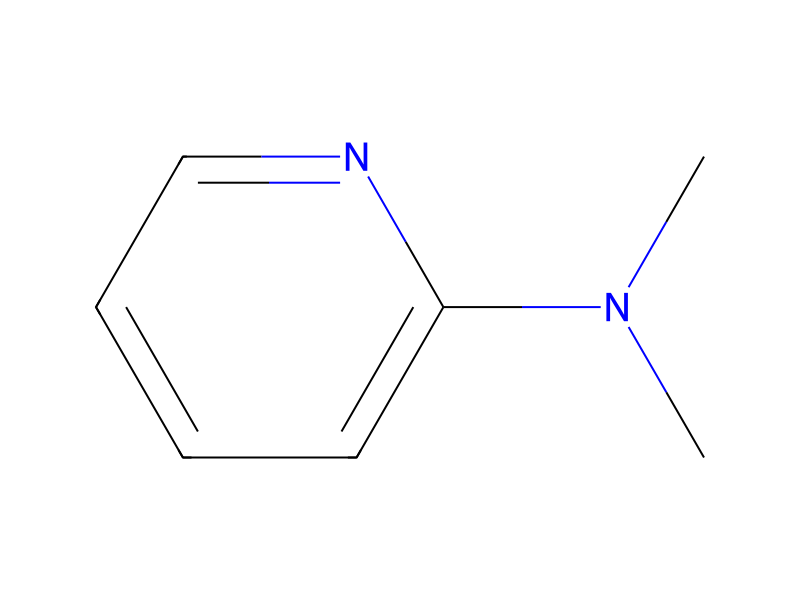
[F:1][C:2]1[CH:10]=[C:9]([O:11][CH2:12][CH2:13][CH2:14][CH3:15])[CH:8]=[CH:7][C:3]=1[C:4]([OH:6])=[O:5].FC1C=C(O)C=CC=1C#N.C(Br)CCC.C(=O)([O-])[O-].[K+].[K+].CN(C1C=CC=CN=1)C.[F:46][C:47]1[C:52]([F:53])=[C:51]([CH2:54][CH2:55][CH2:56][CH2:57][CH2:58][CH2:59][CH2:60][CH3:61])[CH:50]=[CH:49][C:48]=1O.C1(N=C=NC2CCCCC2)CCCCC1>CN(C)C=O.C(Cl)Cl>[F:1][C:2]1[CH:10]=[C:9]([O:11][CH2:12][CH2:13][CH2:14][CH3:15])[CH:8]=[CH:7][C:3]=1[C:4]([O:6][C:48]1[CH:49]=[CH:50][C:51]([CH2:54][CH2:55][CH2:56][CH2:57][CH2:58][CH2:59][CH2:60][CH3:61])=[C:52]([F:53])[C:47]=1[F:46])=[O:5]Participants
9
Reactant 6



Product 1

Reagents, catalysts & solvents 2


Procedure
0.1 mol of 2-fluoro-4-butyloxybenzoic acid (prepared from 3-fluoro-4-cyanophenol by alkylation with butyl bromide/potassium carbonate in dimethylformamide and subsequent hydrolysis of the nitrile via the imido ester), 0.01 mol of dimethylaminopyridine and 0.1 mol of 2,3-difluoro-4-octylphenol are initially introduced into 150 ml of methylene chloride, a solution of 0.1 mol of dicyclohexylcarbodiimide in 30 ml of methylene chloride is added dropwise at 10°, while stirring, and the mixture is then subsequently stirred at room temperature for 15 hours. The mixture is filtered over silica gel and the solvent is evaporated to give 2,3-difluoro-4-octylphenyl 2-fluoro-4-butyloxybenzoate as the residue.
Workup
- stirringthe mixture is then subsequently stirred at room temperature for 15 hours
- filtrationThe mixture is filtered over silica gel
- customthe solvent is evaporated
Sources & evidence
- ORD record
- ord-72f8c0cb865949ab9d7c8822f601ff6b
- Source dataset
- uspto-grants-1994_01
- Patent number
- US05279764
Reaction notes
Loading…